

Audio By Vocalize

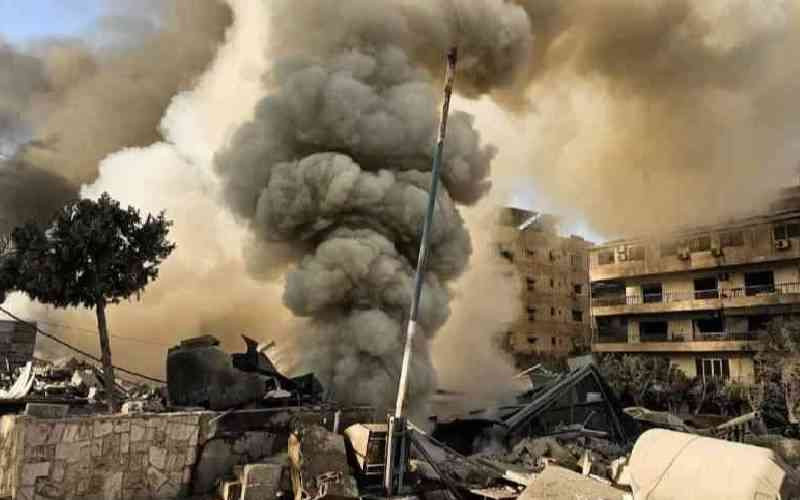
What began as a geopolitical escalation in the Middle East is becoming a global economic event with immediate, visible consequences for Kenya. Periods of heightened geopolitical tension typically trigger volatility in energy prices, shipping costs, and delivery times across critical trade routes. In Kenya, that transmission is no longer theoretical. It is now evident at fuel stations, where supply disruptions and sporadic shortages are beginning to emerge.
The intensifying US–Israel–Iran conflict has placed the Strait of Hormuz, a critical global energy corridor through which roughly 20% of global crude oil supply passes under renewed strain. The consequences are now rippling through fuel markets, supply chains, and financial systems, with increasingly tangible effects on Kenya’s economy.
Kenya’s exposure is structural. Petroleum products account for roughly 20–25% of the country’s total import bill. Petroleum oil alone comprises about 58% of top imports, underscoring the economy’s deep linkage to global oil markets. In such a context, geopolitical risk is transmitted not just into prices but into physical availability.
Recent developments in global energy markets underscore the scale of the shock. Brent crude, the international benchmark, has traded in a volatile range between $90 and over $100 per barrel in April 2026. While still below the $120 per barrel peak reached during the 2022 Russia–Ukraine shock, current prices reflect a renewed geopolitical risk premium, with clear upside risk should disruptions escalate further. For an oil-importing economy like Kenya, the effects are instant. Higher global prices translate into rising pump costs, while supply uncertainty introduces localized shortages.
The more insidious risk, however, lies in food systems. Kenya imports nearly all its chemical fertilizers, leaving agriculture exposed to global supply disruptions. Even before the current crisis, fertilizer imports were valued at approximately $259 million annually, a significant cost component for farmers. Given the Middle East’s central role in gas-linked fertilizer production, supply shocks quickly cascade into higher input costs. Farmers respond by reducing application rates, yields come under pressure, and food prices rise. The result is a dual inflation shock for energy and food that is both persistent and politically sensitive.
The conflict is also tightening global financial conditions. Elevated energy prices are sustaining inflationary pressures in advanced economies, delaying monetary easing and keeping global interest rates higher for longer. Combined with a flight to safety into US dollar-denominated assets, this is placing renewed pressure on frontier market currencies. For Kenya, the implications are familiar but severe: a weaker shilling, rising import costs, and a widening current account deficit. With imports estimated at $24.4 billion annually, the external position remains highly sensitive to shifts in global liquidity and commodity prices.
In this environment, access to emergency trade and liquidity support becomes critical. Oil-importing African economies should tap into facilities such as Afreximbank’s Gulf Crisis Adjustment Trade Financing Programme (GCATFP), a facility designed to cushion African economies against external shocks by providing trade finance, foreign currency liquidity, and support for critical imports like fuel and fertilizers.
Yet even as risks mount, the crisis is catalyzing an important realignment in global trade. As instability disrupts traditional Middle Eastern corridors, shipping routes, and aviation networks are being recalibrated. In this shifting landscape, East Africa is gaining strategic relevance.
The Port of Mombasa is recording increased transit volumes into the regional hinterland. Lamu Port is steadily gaining prominence under the LAPSSET corridor as an alternative gateway. Jomo Kenyatta International Airport is seeing rising cargo and transit flows as airlines optimize routes. Addis Ababa’s Bole International Airport continues to consolidate its position as Africa’s leading hub.
For financial institutions like Absa, it is important to actively monitor developments in the Middle East and their implications for global trade flows, commodity prices, and financial markets, while working closely with clients to navigate volatility through trade finance solutions, risk mitigation, and strategic advisory.
Ultimately, the crisis is exposing a deeper structural vulnerability: Kenya’s reliance on imported energy and externally anchored supply chains. The emergence of fuel shortages is a stark reminder that energy security is not only about affordability, but also about reliability.
The crisis is also sharpening the case for reform. Expanding investment in renewable energy would reduce exposure to oil price volatility. Strengthening local fertilizer production and regional agricultural value chains would enhance food security. Deepening intra-African trade could mitigate external shocks and reduce dependence on distant, fragile supply routes.
In the near term, Kenya faces a difficult adjustment marked not only by rising inflation and tighter financial conditions, but also by emerging supply constraints in critical commodities like fuel. Over the longer term, however, the same forces now disrupting the global economy could accelerate the country’s transition into a more resilient, self-reliant, and strategically positioned economy. The question is whether Kenya can move decisively enough to convert today’s volatility into a durable economic advantage.
.std-banner-wrap {
max-width: 100%;
width: 100%;
position: relative;
margin: 2.5rem 0 2rem;
font-family: Georgia, ‘Times New Roman’, serif;
}
.std-top-rule {
display: flex;
height: 4px;
}
.std-top-rule .r1 {
background: #CC0000;
flex: 3;
}
.std-top-rule .r2 {
background: #C9A84C;
flex: 1;
}
.std-top-rule .r3 {
background: #0D0D0D;
flex: 6;
}
.std-banner {
background: #F9F5F0;
padding: 2rem 2.2rem 1.8rem;
position: relative;
overflow: hidden;
box-shadow: 0 4px 24px rgba(0, 0, 0, 0.10), 0 1px 0 #C9A84C;
border-left: 4px solid #CC0000;
}
.std-banner::before {
content: ‘S’;
position: absolute;
right: -1rem;
top: -2rem;
font-family: Georgia, serif;
font-size: 14rem;
font-weight: 900;
color: rgba(204, 0, 0, 0.04);
line-height: 1;
pointer-events: none;
user-select: none;
}
.std-eyebrow {
display: inline-flex;
align-items: center;
gap: 0.5rem;
font-size: 0.62rem;
font-weight: 700;
letter-spacing: 0.2em;
text-transform: uppercase;
color: #CC0000;
margin-bottom: 0.85rem;
font-family: Arial, sans-serif;
}
.std-eyebrow::before {
content: ”;
display: block;
width: 18px;
height: 1.5px;
background: #CC0000;
}
.std-banner-title {
font-family: Georgia, ‘Times New Roman’, serif;
font-size: clamp(1.3rem, 3.5vw, 1.75rem);
font-weight: 900;
color: #0D0D0D;
line-height: 1.2;
margin: 0 0 0.75rem;
letter-spacing: -0.02em;
}
.std-banner-title .std-hl {
color: #CC0000;
font-style: italic;
}
.std-divider {
display: flex;
align-items: center;
gap: 0.6rem;
margin-bottom: 0.9rem;
}
.std-divider::before,
.std-divider::after {
content: ”;
flex: 1;
height: 1px;
background: #d8d0c6;
}
.std-divider-dot {
width: 6px;
height: 6px;
border-radius: 50%;
background: #CC0000;
flex-shrink: 0;
}
.std-banner-body {
font-size: 0.97rem;
line-height: 1.7;
color: #2C2C2C;
font-weight: 400;
margin: 0 0 1.4rem;
font-family: Georgia, serif;
}
.std-banner-body strong {
font-weight: 700;
color: #0D0D0D;
}
.std-cta-row {
display: flex;
align-items: center;
gap: 1rem;
flex-wrap: wrap;
margin-bottom: 1.2rem;
}
.std-btn-subscribe {
display: inline-flex;
align-items: center;
gap: 0.6rem;
background: #CC0000;
color: #fff !important;
font-family: Arial, sans-serif;
font-size: 0.8rem;
font-weight: 700;
letter-spacing: 0.1em;
text-transform: uppercase;
padding: 0.72rem 1.5rem 0.72rem 1.3rem;
border: none;
cursor: pointer;
text-decoration: none !important;
border-bottom: none !important;
position: relative;
overflow: hidden;
transition: background 0.2s ease, transform 0.15s ease, box-shadow 0.2s ease;
box-shadow: 0 4px 16px rgba(204, 0, 0, 0.3);
clip-path: polygon(0 0, calc(100% – 10px) 0, 100% 50%, calc(100% – 10px) 100%, 0 100%);
padding-right: 1.8rem;
}
.std-btn-subscribe:hover,
.std-btn-subscribe:focus,
.std-btn-subscribe:visited,
.std-btn-subscribe:active {
background: #A00000 !important;
color: #fff !important;
transform: translateY(-1px);
box-shadow: 0 6px 22px rgba(204, 0, 0, 0.4);
text-decoration: none !important;
border-bottom: none !important;
outline: none;
}
.std-btn-subscribe:active {
transform: translateY(0);
}
.std-btn-arrow {
display: inline-block;
font-size: 1rem;
line-height: 1;
transition: transform 0.18s ease;
}
.std-btn-subscribe:hover .std-btn-arrow {
transform: translateX(3px);
}
.std-dismiss {
font-size: 0.75rem;
color: #999;
background: none;
border: none;
border-bottom: 1px dashed #ccc;
padding: 0 0 1px;
cursor: pointer;
font-family: Georgia, serif;
letter-spacing: 0.03em;
transition: color 0.2s;
}
.std-dismiss:hover {
color: #333;
border-bottom-color: #333;
}
/* Payment logos */
.std-payment-row {
display: flex;
align-items: center;
gap: 0.45rem;
flex-wrap: wrap;
padding-top: 1rem;
border-top: 1px solid #e0d9d0;
margin-bottom: 0.7rem;
}
.std-pay-label {
font-size: 0.6rem;
color: #aaa;
letter-spacing: 0.14em;
text-transform: uppercase;
font-family: Arial, sans-serif;
margin-right: 0.2rem;
white-space: nowrap;
}
.std-pay-badge {
display: inline-flex;
align-items: center;
justify-content: center;
height: 24px;
padding: 0 0.5rem;
border-radius: 3px;
border: 1px solid #e0d7ce;
background: #fff;
box-shadow: 0 1px 3px rgba(0, 0, 0, 0.05);
}
/* M-Pesa */
.std-mpesa-text {
font-family: Arial, sans-serif;
font-size: 0.7rem;
font-weight: 900;
}
.std-mpesa-m {
color: #39b74a;
}
.std-mpesa-dash {
color: #db3939;
}
.std-mpesa-p {
color: #39b74a;
}
/* Visa */
.std-visa-text {
font-family: ‘Times New Roman’, Times, serif;
font-size: 0.82rem;
font-weight: 900;
font-style: italic;
color: #1a1f71;
letter-spacing: -0.03em;
}
/* Mastercard */
.std-mc-wrap {
position: relative;
width: 28px;
height: 16px;
}
.std-mc-left {
width: 16px;
height: 16px;
border-radius: 50%;
background: #eb001b;
position: absolute;
left: 0;
top: 0;
}
.std-mc-right {
width: 16px;
height: 16px;
border-radius: 50%;
background: #f79e1b;
position: absolute;
right: 0;
top: 0;
mix-blend-mode: multiply;
}
/* Airtel Money */
.std-airtel-text {
font-family: Arial, sans-serif;
font-size: 0.64rem;
font-weight: 800;
}
.std-airtel-a {
color: #ec2427;
;
}
.std-airtel-m {
color: #dd3436;
font-weight: 600;
}
/* Equitel */
.std-equitel-text {
font-family: Arial, sans-serif;
font-size: 0.6rem;
font-weight: 700;
color: #003087;
letter-spacing: 0.02em;
}
.std-equitel-eq {
color: #e2001a;
}
/* Trust strip */
.std-trust-strip {
display: flex;
align-items: center;
gap: 0.45rem;
flex-wrap: wrap;
}
.std-trust-strip .std-shield {
width: 11px;
height: 11px;
fill: #C9A84C;
flex-shrink: 0;
}
.std-trust-strip span {
font-size: 0.67rem;
color: #aaa;
letter-spacing: 0.03em;
font-family: Arial, sans-serif;
}
.std-trust-strip .std-dot {
width: 3px;
height: 3px;
border-radius: 50%;
background: #ccc;
flex-shrink: 0;
}
/* Bottom rule */
.std-bottom-rule {
height: 2px;
background: linear-gradient(to right, #C9A84C, #CC0000, #0D0D0D);
}
/* Entrance animation */
@keyframes stdSlideUp {
from {
opacity: 0;
transform: translateY(20px);
}
to {
opacity: 1;
transform: translateY(0);
}
}
.std-banner-wrap {
animation: stdSlideUp 0.5s cubic-bezier(0.22, 1, 0.36, 1) both;
}
Support Independent Journalism
Stand With Bold Journalism.
Stand With The Standard.
Continue
→
Pay via
Secure Payment
Kenya’s most trusted newsroom since 1902
Follow The Standard on 
By Jeremiah Mutune