

Audio By Vocalize
French authorities have moved to strengthen health surveillance and tracing measures following concerns over the spread of hantavirus infections linked to an international cruise ship outbreak that has already claimed three lives.
The response comes after the World Health Organization confirmed 11 hantavirus cases connected to the cruise vessel, warning that additional infections could emerge as investigations continue across several countries.
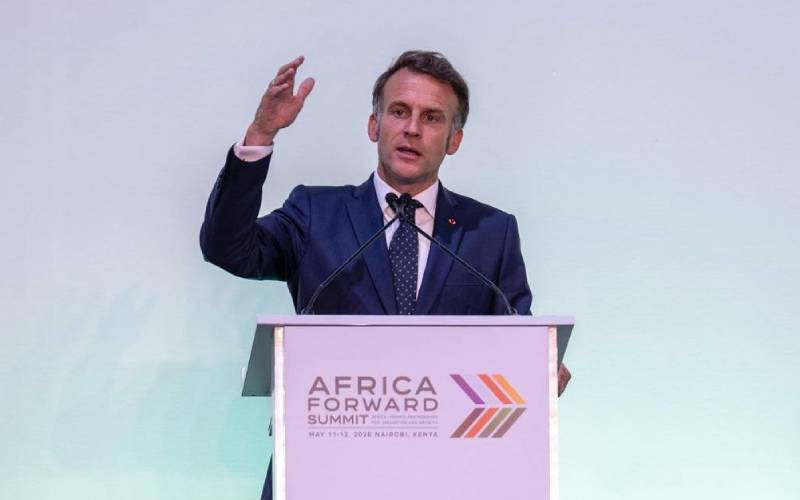
Speaking on the evolving situation, French President Emmanuel Macron defended the government’s rapid response, saying the measures introduced were informed by scientific consultations and lessons learned during the COVID-19 pandemic.
“The Prime Minister and the government have taken the right decision and the Minister of Health has said several times this is something consulted as we always do when it comes to making decisions like this,” he said.
Macron said France had activated an aggressive tracing and monitoring system to contain any potential spread of the virus, particularly among travelers and close contacts linked to the reported infections.
“France has a vigorous tracing protocol and it has taken into consideration all scientific data that we have concerning the incubation period and the initial stages of infection,” he added.
Health authorities emphasized that the hantavirus outbreak differs significantly from COVID-19, although governments are applying many of the preparedness and coordination strategies developed during the coronavirus crisis.
“This is a new virus and is different from what we have been through, and we have learned a lot in COVID-19 and other pandemics,” Macron said.
“The government is taking the right decision and the situation is under control thanks to the work we have done.”
Hantaviruses are a family of viruses primarily spread through rodents and can cause severe respiratory or kidney-related illnesses in humans.
Human infection often occurs through contact with rodent urine, droppings, or saliva, though scientists are still investigating possible transmission circumstances linked to the cruise ship cluster.
The COVID-19 pandemic, which emerged in late 2019, exposed major weaknesses in global health systems and forced governments worldwide to invest heavily in disease surveillance, emergency preparedness, border monitoring, and rapid response mechanisms.
European countries, including France, experienced multiple waves of infections during the pandemic, leading to lockdowns, overwhelmed hospitals, and major economic disruption.
He says those experiences have improved coordination between governments, scientists, and international health agencies in responding to emerging outbreaks.
At the European level, discussions are ongoing on whether a coordinated regional response may be required if more infections are confirmed.
“At the European level, we are thinking on EU-wide protocol, maybe with WHO issuing its own recommendations, but we are still working on an evolving situation,” he said.
The outbreak has reignited debate about the vulnerability of global travel networks, particularly cruise tourism, to infectious disease outbreaks.
Cruise ships were among the hardest-hit sectors during COVID-19 due to the rapid spread of infections in enclosed environments.
He further said that while the current hantavirus cases remain limited, governments are taking precautionary measures to avoid a wider public health emergency as investigations continue.
Support Independent Journalism
Stand With Bold Journalism.
Stand With The Standard.
Continue
→
Pay via
Secure Payment
Kenya’s most trusted newsroom since 1902
Follow The Standard on
hantavirus infections
linked to an international cruise ship outbreak that has already claimed three lives.
The response comes after the World Health Organization confirmed 11 hantavirus cases connected to the cruise vessel, warning that additional infections could emerge as investigations continue across several countries.
Speaking on the evolving situation, French President Emmanuel Macron defended the government’s rapid response, saying the measures introduced were informed by scientific consultations and lessons learned during the COVID-19 pandemic.
“The Prime Minister and the government have taken the right decision and the Minister of Health has said several times this is something consulted as we always do when it comes to making decisions like this,” he said.
Macron said France had activated an aggressive tracing and monitoring system to contain any potential spread of the virus, particularly among travelers and close contacts linked to the reported infections.
“France has a vigorous tracing protocol and it has taken into consideration all scientific data that we have concerning the incubation period and the initial stages of infection,” he added.
Health authorities emphasized that the hantavirus outbreak differs significantly from COVID-19, although governments are applying many of the preparedness and coordination strategies developed during the coronavirus crisis.
“This is a new virus and is different from what we have been through, and we have learned a lot in COVID-19 and other pandemics,” Macron said.
“The government is taking the right decision and the situation is under control thanks to the work we have done.”
Hantaviruses are a family of viruses primarily spread through rodents and can cause severe respiratory or kidney-related illnesses in humans.
Human infection often occurs through contact with rodent urine, droppings, or saliva, though scientists are still investigating possible transmission circumstances linked to the cruise ship cluster.
The COVID-19 pandemic, which emerged in late 2019, exposed major weaknesses in global health systems and forced governments worldwide to invest heavily in disease surveillance, emergency preparedness, border monitoring, and rapid response mechanisms.
European countries, including France, experienced multiple waves of infections during the pandemic, leading to lockdowns, overwhelmed hospitals, and major economic disruption.
He says those experiences have improved coordination between governments, scientists, and international health agencies in responding to emerging outbreaks.
Stay informed. Subscribe to our newsletter
At the European level, discussions are ongoing on whether a coordinated regional response may be required if more infections are confirmed.
“At the European level, we are thinking on EU-wide protocol, maybe with WHO issuing its own recommendations, but we are still working on an evolving situation,” he said.
The outbreak has reignited debate about the vulnerability of global travel networks, particularly cruise tourism, to infectious disease outbreaks.
Cruise ships were among the hardest-hit sectors during COVID-19 due to the rapid spread of infections in enclosed environments.
He further said that while the current hantavirus cases remain limited, governments are taking precautionary measures to avoid a wider public health emergency as investigations continue.
By Mike Kihaki