

Audio By Vocalize
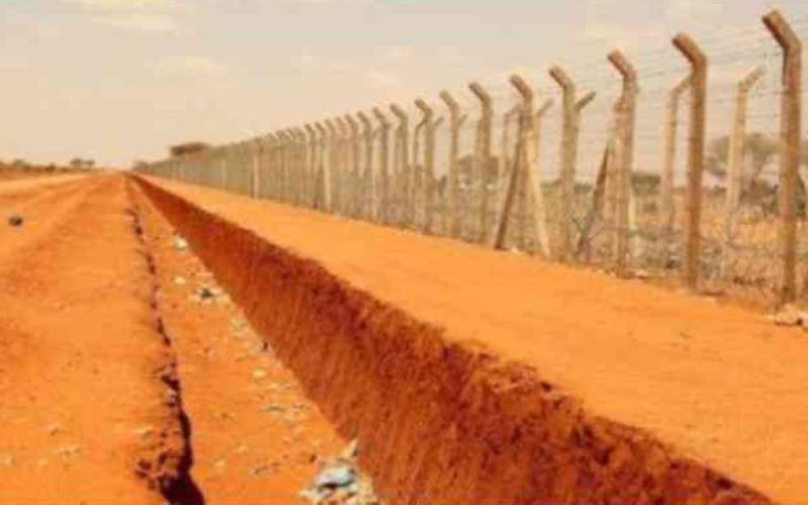
The planned reopening of the Kenya-Somalia border after years of closure due to insecurity is causing disquiet. And in light of the terror attacks on Kenya between 2014 and 2016 by Somalia-based Al-Shabaab terrorists, these fears are justified.
If the Al-Shabaab miscreants could cross a closed and heavily guarded border with ease to cause terror and despondency, what happens when the border opens to facilitate free movement?
Data from the Centre for Human Rights and Policy Studies paints a glum picture. In 2025 alone, 72 terror-related attacks were recorded along the Kenya-Somalia border counties, leaving 50 people dead and nearly 100 injured. Security personnel in the region bore the heaviest cost, accounting for 23 of those fatalities. Mandera recorded 32 incidents, Garissa 23, Lamu 13 and Wajir three. What stands out is that these incidents happened at a time that the border was closed.
President William Ruto is expected to announce the formal reopening of the border during Madaraka Day celebrations to be held in Wajir on June 1, 2026. He has argued that trade between Kenya and Somalia justifies the move, pledging to deploy adequate security.
It’s easy for one to appreciate the economic logic. Border communities in Mandera, Wajir and Garissa have long suffered the double burden of insecurity and economic marginalisation. Open trade corridors can bring livelihoods, reduce smuggling and normalise cross-border relations. These are benefits worth pushing.
But the government must be taken to task on specifics. What security measures have been put in place before the first trader crosses? Kenya has attempted this before. In July 2022, plans to reopen the border following talks between President Uhuru Kenyatta and Somalia’s President Hassan Sheikh Mohamud collapsed. A renewed attempt in 2023 was suspended after a surge in Al-Shabaab attacks. History, therefore, does not inspire confidence in citizens that good intentions alone are sufficient.
It has been demonstrated, repeatedly, that individuals with money and political connections can obtain Kenyan travel documents with alarming ease. A number of illegal Somali immigrants have been arrested bearing Kenyan IDs and passports. If the country cannot fully secure its documentation systems, a reopened border becomes a vulnerability exploited not only by foot soldiers but by operatives who can move with official papers. Ruto’s assurance that security forces will deal with insurgents is necessary but not sufficient. The question is whether the systems are in place to detect threats before they manifest.
Security analyst George Musamali’s warning that Mandera remains particularly vulnerable to further infiltration risks deserves serious consideration. Mandera has recorded the highest number of attacks in each of the past five years. Opening the border without a verifiable and robust security framework would be utterly reckless.
Kenya needs open borders and functioning trade. But it needs contented citizens more. The government must lay out, in concrete terms, what security guarantees it is offering before June 1 arrives.
Support Independent Journalism
Stand With Bold Journalism.
Stand With The Standard.
Continue
→
Pay via
Secure Payment
Kenya’s most trusted newsroom since 1902
Follow The Standard on
The planned reopening of the Kenya-Somalia border after years of closure due to insecurity is causing disquiet. And in light of the terror attacks on Kenya between 2014 and 2016 by Somalia-based Al-Shabaab terrorists, these fears are justified.
If the Al-Shabaab miscreants could cross a closed and heavily guarded border with ease to cause terror and despondency, what happens when the border opens to facilitate free movement?
Data from the Centre for Human Rights and Policy Studies paints a glum picture. In 2025 alone, 72 terror-related attacks were recorded along the Kenya-Somalia border counties, leaving 50 people dead and nearly 100 injured. Security personnel in the region bore the heaviest cost, accounting for 23 of those fatalities. Mandera recorded 32 incidents, Garissa 23, Lamu 13 and Wajir three. What stands out is that these incidents happened at a time that the border was closed.
President William Ruto is expected to announce the formal reopening of the border during Madaraka Day celebrations to be held in Wajir on June 1, 2026. He has argued that trade between Kenya and Somalia justifies the move, pledging to deploy adequate security.
It’s easy for one to appreciate the economic logic. Border communities in Mandera, Wajir and Garissa have long suffered the double burden of insecurity and economic marginalisation. Open trade corridors can bring livelihoods, reduce smuggling and normalise cross-border relations. These are benefits worth pushing.
But the government must be taken to task on specifics. What security measures have been put in place before the first trader crosses? Kenya has attempted this before. In July 2022, plans to reopen the border following talks between President Uhuru Kenyatta and Somalia’s President Hassan Sheikh Mohamud collapsed. A renewed attempt in 2023 was suspended after a surge in Al-Shabaab attacks. History, therefore, does not inspire confidence in citizens that good intentions alone are sufficient.
It has been demonstrated, repeatedly, that individuals with money and political connections can obtain Kenyan travel documents with alarming ease. A number of illegal Somali immigrants have been arrested bearing Kenyan IDs and passports. If the country cannot fully secure its documentation systems, a reopened border becomes a vulnerability exploited not only by foot soldiers but by operatives who can move with official papers. Ruto’s assurance that security forces will deal with insurgents is necessary but not sufficient. The question is whether the systems are in place to detect threats before they manifest.
Security analyst George Musamali’s warning that Mandera remains particularly vulnerable to further infiltration risks deserves serious consideration. Mandera has recorded the highest number of attacks in each of the past five years. Opening the border without a verifiable and robust security framework would be utterly reckless.
Kenya needs open borders and functioning trade. But it needs contented citizens more. The government must lay out, in concrete terms, what security guarantees it is offering before June 1 arrives.
By Editorial