



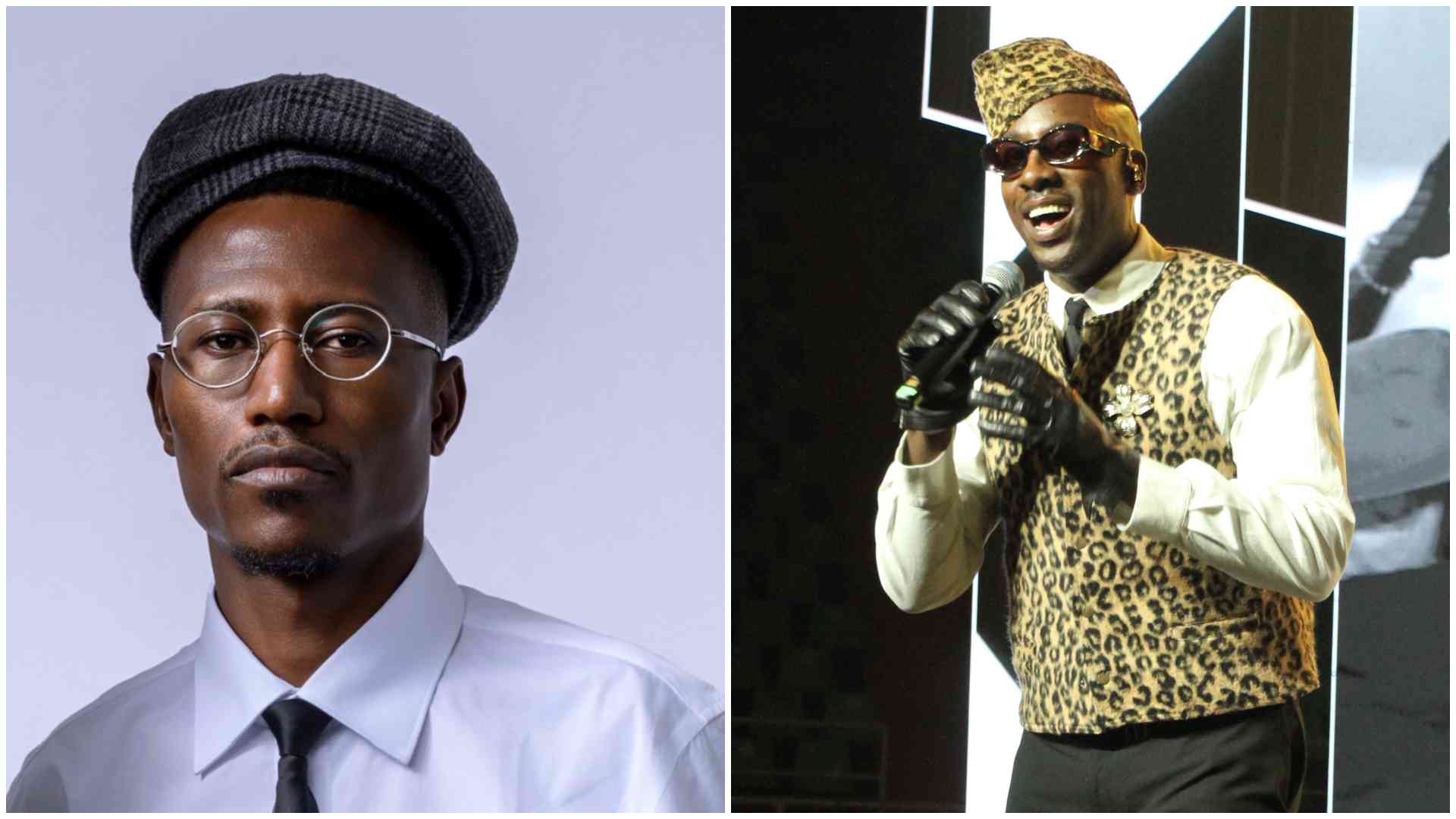
Africa Forward Summit 2026: Le Concert may have celebrated music, diplomacy and African unity, but outside the venue an entirely different conversation was unfolding online.
At the centre of the storm was Bien-Aimé Baraza, whose appearance at the high-profile concert attended by President William Ruto and French President Emmanuel Macron ignited one of the fiercest cultural debates Kenyan entertainment has seen in recent months.
While the Sauti Sol star delivered a powerful set before thousands of fans, it was his fashion choice that drew the loudest reaction.
Bien appeared on stage in a bold leopard-print outfit that many social media users quickly compared to the trademark style of former Zairean ruler Mobutu Sese Seko.
Mobutu remains one of Africa’s most controversial political figures.
His carefully cultivated leopard-skin image became synonymous with authoritarian rule, Cold War politics and allegations of massive corruption during his decades-long reign.
The comparisons triggered immediate backlash online, especially given the summit’s association with France and ongoing conversations among young Africans about neo-colonial influence on the continent.
Some critics argued the imagery was historically insensitive, while others defended Bien, insisting fashion and artistic expression should not automatically be interpreted through political lenses.
The debate soon caught the attention of outspoken rapper and cultural commentator Octopizzo, who used the moment to challenge African creatives to deepen their understanding of history and symbolism.
In a statement shared online, Octopizzo argued that African artists operating on global stages can no longer afford to separate art from historical awareness.
At this point, it should be non-negotiable: every artist operating on any global stage must understand cultural symbolism and the power of cultural soft power.
For African artists in particular, knowing our history is not optional, it is foundational. It shapes how we tell our… pic.twitter.com/1vcCUGVSQ8
— OCTOPIZZO (@OCTOPIZZO) May 14, 2026
“Art without cultural literacy is incomplete. Art grounded in African history becomes influence,” he wrote.
According to Octo, symbols, fashion and aesthetics carry weight far beyond entertainment, especially in an era where audiences instantly analyse every public appearance online.
He urged creatives to embrace cultural intelligence as part of their craft, warning that ignorance of historical context can easily overshadow artistic intentions.
“For African artists in particular, knowing our history is not optional, it is foundational. It shapes how we tell our stories, how we are perceived internationally, and how we reclaim narrative power in spaces that have often misunderstood or erased us,” he wrote.