


For three days, I found myself in an unusual marathon; one that required no running shoes, but plenty of attention.
I was attending the inaugural Mediation, Conciliation & Traditional Justice Convention (PACT 1), which brought together mediators, peacebuilders, judicial officers, traditional leaders, academics and policy-makers from across Africa.
But amid the keynote speeches, panel discussions and role-plays, one sight particularly caught my attention: traditional royalty in a modern mediation conference.
The room welcomed the Queen Mother of Ghana, the King and Queen of the Asande Kingdom and a young representative of the Buganda Kingdom. Their presence offered a reminder that Africa has long had its own systems of resolving disputes, reconciling communities and restoring relationships.
There was ceremony, storytelling and even humour, including skits that brought some lightness to otherwise weighty conversations.
I watched, fascinated. Who would have thought that kingdoms and traditions I had only encountered in history books would find a place at a modern conference on peace and justice?
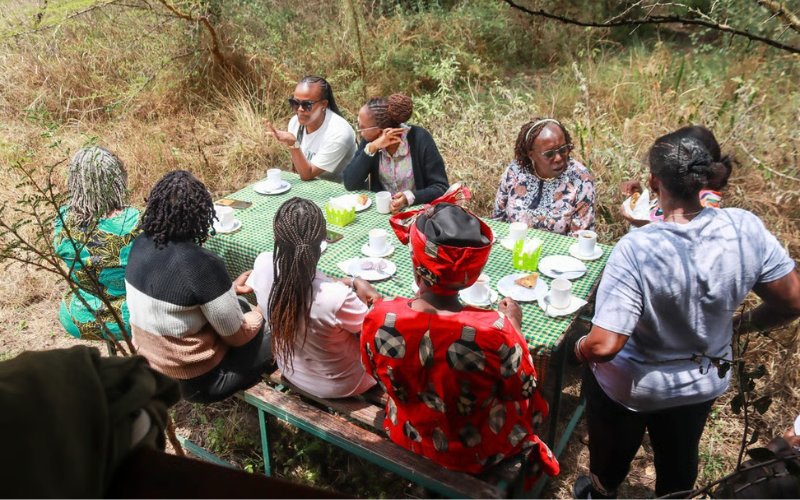
After two days of discussions, however, the final day took an unexpected turn. We headed to PEC Nature Park to “immerse ourselves in nature”.
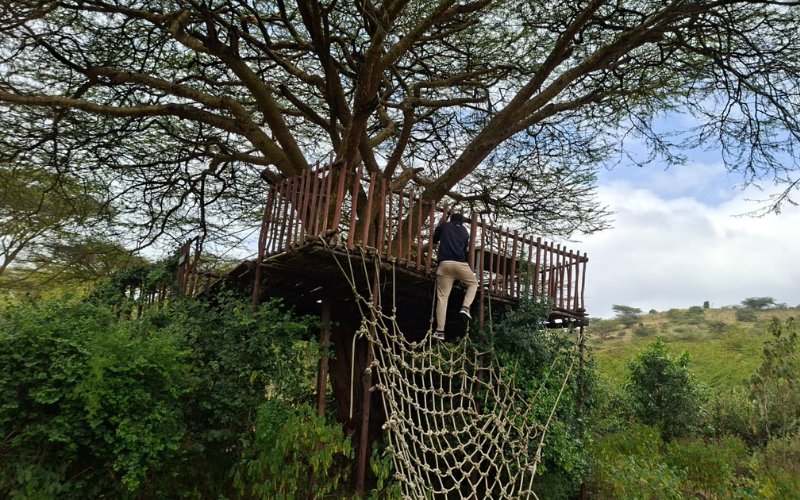
Suddenly, the mediation marathon had an adrenaline twist. The park offered ziplining, high ropes, rock climbing, hiking, biking and nature trails.
Located at Corner Baridi along Magadi Road, about six kilometres past Kiserian and roughly 38 kilometres from Nairobi, the park is close enough for a day trip yet far enough to feel removed from the city.
Best of all, there was no phone network – an intentional invitation to disconnect, unwind and reconnect with nature.
Here, the digital world simply disappears – no incoming calls, no constant checking, and no familiar little tug to see what is happening elsewhere. Just nature.
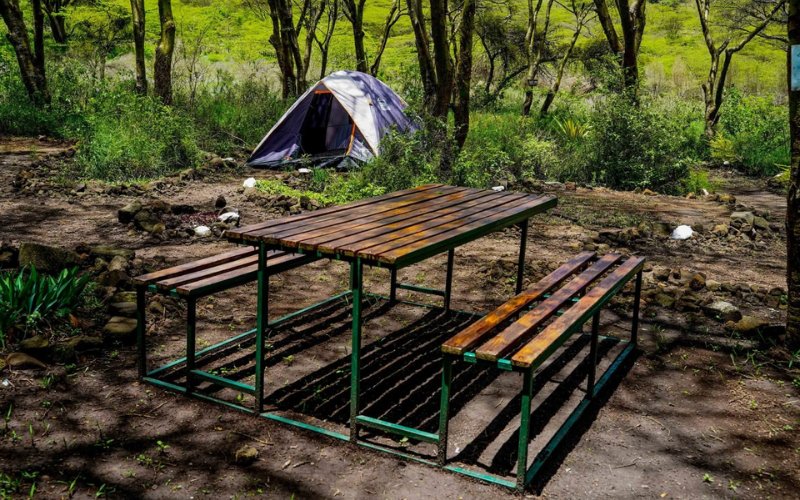
The Park is largely open space – trees, grass and rocks, with a few semi-permanent structures housing the reception, restaurant, bathrooms and activity area.
“It feels less like arriving at a conventional recreation centre and more like stepping into a landscape that has decided to keep things simple.”
This simplicity is part of its charm.
After two days of sitting, listening, thinking and engaging, there was something delicious about being outside. The air felt different, and the landscape opened up.
Suddenly, instead of thinking about conflict resolution, restorative justice and mediation frameworks, I was looking at ropes, climbing structures and a zipline.
Now, about that zipline… PEC’s adventure package is not for anyone who has a fear of heights, but for those who do try it, the reward is an unforgettable rush of adrenaline and sweeping views towards the Maa Hills.
Reading about these activities is one thing. Standing there and looking at them is quite another. This is where an ordinary conference excursion begins to feel like an adventure; perhaps that was precisely the point.
PEC’s most interesting story is not necessarily found on the zipline. It is under your feet.
In 2014, the 18 acres of land where the park now stands was an expansive wasteland. A restoration effort began, with professionals helping transform the land. It was fenced and named Olooseos.
Then came the rain. Within one rainy season, biodiversity began to return. Plants emerged, birds came, butterflies and insects returned, and life began reclaiming the landscape.
Today, the place is presented as a space for adventure, learning and fun, a place built around the idea of connecting people with nature. The name “nature park” means more than just greenery. It represents restoration – a reminder that a landscape can change when somebody decides it is worth caring for.
There is a gentler side to PEC too. Children have their own nature park, with swings, slides, tree houses and a cycling track. Families and friends can picnic in the open spaces. There are camping and retreat options for those who want to stay longer and escape the city’s hurried rhythm.
There is also a biodiversity experience designed to help visitors learn about the environment and sustainability.
Then there is food. The park’s dining offering includes organic dishes sourced from its farm, with its herb-infused choma among the experiences visitors are encouraged to try.
So, whether you arrive looking for adventure, family time, learning, quiet reflection or simply somewhere to breathe, there is room to find your own version of the outing.
For me, however, the greatest attraction was the sudden shift in rhythm. After days of absorbing ideas and listening to people speak about peace, I found myself in a place where the landscape seemed to say the same thing without making a speech: slow down, look around, listen, breathe, disconnect, reconnect.
This was the most fitting way to end a conference dedicated to peace, because peace is not only something we negotiate across tables. Sometimes, it is something we experience when we step away from the table altogether.
At PEC Nature Park, surrounded by trees, grass, rocks and open sky, the conversation continued; only this time, nature had the microphone, and I was happy to listen.