

Audio By Vocalize
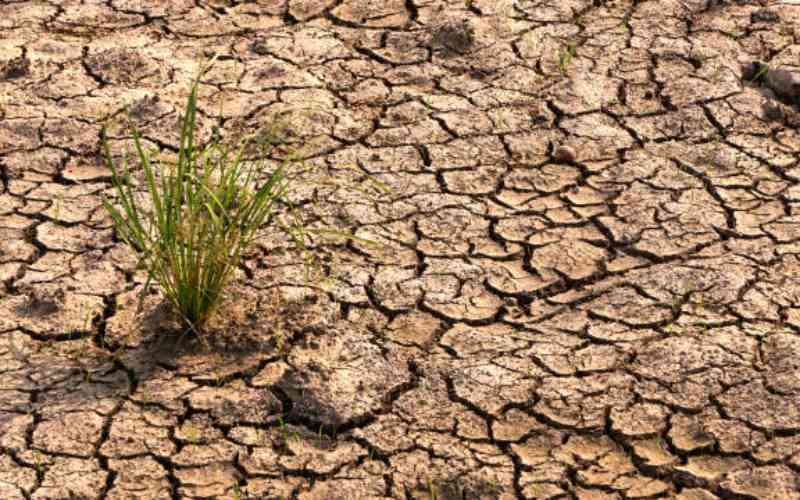
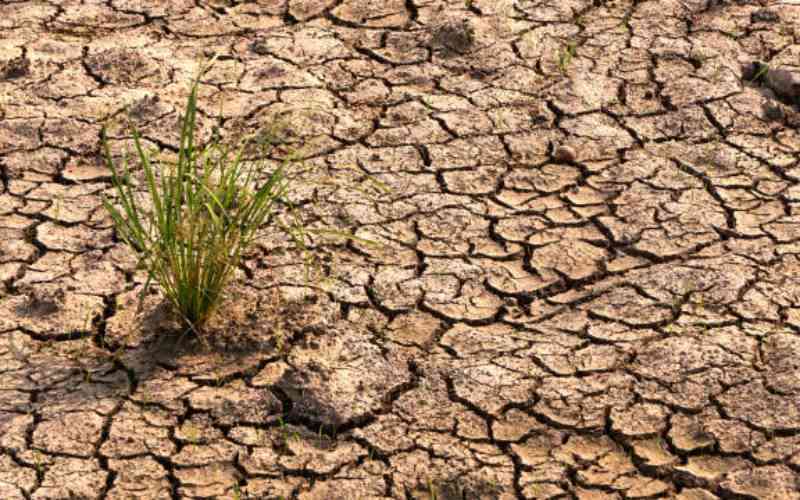
East Africa is heading into a food crisis that will not resolve in one season. Grain prices are climbing across the region. Kenya’s North Rift, the source of more than 60 per cent of the country’s maize, has recorded widespread crop failure.
Uganda is running emergency food deliveries into Karamoja, where more than a million acres of crops have been lost. Forecasters now put the odds of a very strong El Niño forming between October and December at 81 per cent, with conditions likely to persist into 2027.
None of this should surprise anyone working in food systems or climate resilience. The Famine Early Warning Systems Network (FEWS NET), a monitoring service that has tracked food security risk across Africa since the mid-1980s, flagged maize prices running 20 per cent above average months before this crisis reached headlines.
The World Food Programme and Food and Agriculture Organisation have been prepositioning stocks and cash transfers in vulnerable countries for months. The warning system worked exactly as designed.
The real question is different, and it is the one our sector needs to stop avoiding: Does our response infrastructure move at the speed our warning systems do, or does it still move at the speed we built it for a decade ago?
There is a comfortable version of this conversation, where citing the right statistics in a report counts as preparation. It does not. Awareness of a risk and the capacity to act on it at scale are two different things, and East Africa’s development and investment community has, for too long, been better at the first than the second.
What would genuine readiness look like against a crisis of this size, and who has to build it? Governments carry a large part of that answer. It would mean strategic grain reserves that release on a forecast trigger rather than after shortages are already visible in markets, and regional trade corridors kept open during shocks, so that a surplus in Tanzania’s Southern Highlands can reach a shortage in Kenya’s North Rift within weeks rather than being blocked by export restrictions imposed out of local caution.
It would mean public investment in irrigation and water storage treated as core infrastructure spending, on the same footing as roads or power, and financing structures built to anticipate seasonal price shocks, like the 30 per cent quarter-on-quarter jump in Ugandan bean prices this year, rather than reacting to them once farmers have already taken on loans they cannot repay. It would mean soil health data, like the mapping now underway across Kenya’s 47 counties, feeding directly into land-use and subsidy policy, not sitting in a research report.
Some governments have already shown what this kind of preparedness can do. Ethiopia’s Productive Safety Net Programme, built after recurring droughts in the early 2000s, pairs early warning data with cash and food transfers pre-positioned to reach vulnerable households before a bad season turns into a famine.
When a severe, region-wide drought struck the Horn of Africa in 2011, Ethiopia weathered it markedly better than its neighbours, largely because the safety net and the response systems behind it were funded and running before the rains failed, not assembled once the crisis was already confirmed.
The lesson is not that one country got lucky. It is that pre-financed, trigger-based systems consistently outperform ones that wait for a crisis to be confirmed before they mobilise. Food and enterprise finance across the region need the same reflex, built at a larger scale.
Here is what an 81 per cent probability should mean in practice: At that threshold, money should already be moving. Not pledged, not budgeted for a future cycle, moving. Anticipatory finance of this kind already exists in humanitarian response, where agencies release cash ahead of a forecast rather than after a harvest has failed because the cost of acting a season early is a fraction of the cost of responding to a famine already underway.
Agriculture and enterprise finance have been slower to build the same reflex. Most capital in this space still waits for a confirmed bad season before it repositions, which means it arrives in time to help with recovery but not in time to prevent the worst of the loss.
A different approach is possible, and it’s not complicated. Tie a defined share of climate-resilient financing to forecast triggers, so that once El Niño or La Niña probability crosses a set threshold, whether that is 70 per cent or 80, capital for drought-tolerant seed, irrigation, and grain storage releases automatically rather than waiting for a new proposal cycle.
Treat that same forecast data as an input to underwriting decisions for the businesses being financed, not a separate research exercise reviewed after the fact. And measure success not only in businesses funded but in tonnes of staple food that reached markets before, not after, prices spiked.
None of this requires new institutions or new pledges announced at a conference. It requires redesigning how existing capital moves once a forecast like this one is on the table.
The 2026 to 2027 El Niño will be remembered either as a season the region absorbed because capital moved on the forecast, or as another instance where the warning arrived on time and the money did not. Which of those two stories gets written depends on decisions made in the next few months, not the next strategy cycle.
The forecast has already done its job. It is capital’s turn.
.std-banner-wrap {
max-width: 100%;
width: 100%;
position: relative;
margin: 2.5rem 0 2rem;
font-family: Georgia, ‘Times New Roman’, serif;
}
.std-top-rule {
display: flex;
height: 4px;
}
.std-top-rule .r1 {
background: #CC0000;
flex: 3;
}
.std-top-rule .r2 {
background: #C9A84C;
flex: 1;
}
.std-top-rule .r3 {
background: #0D0D0D;
flex: 6;
}
.std-banner {
background: #F9F5F0;
padding: 2rem 2.2rem 1.8rem;
position: relative;
overflow: hidden;
box-shadow: 0 4px 24px rgba(0, 0, 0, 0.10), 0 1px 0 #C9A84C;
border-left: 4px solid #CC0000;
}
.std-banner::before {
content: ‘S’;
position: absolute;
right: -1rem;
top: -2rem;
font-family: Georgia, serif;
font-size: 14rem;
font-weight: 900;
color: rgba(204, 0, 0, 0.04);
line-height: 1;
pointer-events: none;
user-select: none;
}
.std-eyebrow {
display: inline-flex;
align-items: center;
gap: 0.5rem;
font-size: 0.62rem;
font-weight: 700;
letter-spacing: 0.2em;
text-transform: uppercase;
color: #CC0000;
margin-bottom: 0.85rem;
font-family: Arial, sans-serif;
}
.std-eyebrow::before {
content: ”;
display: block;
width: 18px;
height: 1.5px;
background: #CC0000;
}
.std-banner-title {
font-family: Georgia, ‘Times New Roman’, serif;
font-size: clamp(1.3rem, 3.5vw, 1.75rem);
font-weight: 900;
color: #0D0D0D;
line-height: 1.2;
margin: 0 0 0.75rem;
letter-spacing: -0.02em;
}
.std-banner-title .std-hl {
color: #CC0000;
font-style: italic;
}
.std-divider {
display: flex;
align-items: center;
gap: 0.6rem;
margin-bottom: 0.9rem;
}
.std-divider::before,
.std-divider::after {
content: ”;
flex: 1;
height: 1px;
background: #d8d0c6;
}
.std-divider-dot {
width: 6px;
height: 6px;
border-radius: 50%;
background: #CC0000;
flex-shrink: 0;
}
.std-banner-body {
font-size: 0.97rem;
line-height: 1.7;
color: #2C2C2C;
font-weight: 400;
margin: 0 0 1.4rem;
font-family: Georgia, serif;
}
.std-banner-body strong {
font-weight: 700;
color: #0D0D0D;
}
.std-cta-row {
display: flex;
align-items: center;
gap: 1rem;
flex-wrap: wrap;
margin-bottom: 1.2rem;
}
.std-btn-subscribe {
display: inline-flex;
align-items: center;
gap: 0.6rem;
background: #CC0000;
color: #fff !important;
font-family: Arial, sans-serif;
font-size: 0.8rem;
font-weight: 700;
letter-spacing: 0.1em;
text-transform: uppercase;
padding: 0.72rem 1.5rem 0.72rem 1.3rem;
border: none;
cursor: pointer;
text-decoration: none !important;
border-bottom: none !important;
position: relative;
overflow: hidden;
transition: background 0.2s ease, transform 0.15s ease, box-shadow 0.2s ease;
box-shadow: 0 4px 16px rgba(204, 0, 0, 0.3);
clip-path: polygon(0 0, calc(100% – 10px) 0, 100% 50%, calc(100% – 10px) 100%, 0 100%);
padding-right: 1.8rem;
}
.std-btn-subscribe:hover,
.std-btn-subscribe:focus,
.std-btn-subscribe:visited,
.std-btn-subscribe:active {
background: #A00000 !important;
color: #fff !important;
transform: translateY(-1px);
box-shadow: 0 6px 22px rgba(204, 0, 0, 0.4);
text-decoration: none !important;
border-bottom: none !important;
outline: none;
}
.std-btn-subscribe:active {
transform: translateY(0);
}
.std-btn-arrow {
display: inline-block;
font-size: 1rem;
line-height: 1;
transition: transform 0.18s ease;
}
.std-btn-subscribe:hover .std-btn-arrow {
transform: translateX(3px);
}
.std-dismiss {
font-size: 0.75rem;
color: #999;
background: none;
border: none;
border-bottom: 1px dashed #ccc;
padding: 0 0 1px;
cursor: pointer;
font-family: Georgia, serif;
letter-spacing: 0.03em;
transition: color 0.2s;
}
.std-dismiss:hover {
color: #333;
border-bottom-color: #333;
}
/* Payment logos */
.std-payment-row {
display: flex;
align-items: center;
gap: 0.45rem;
flex-wrap: wrap;
padding-top: 1rem;
border-top: 1px solid #e0d9d0;
margin-bottom: 0.7rem;
}
.std-pay-label {
font-size: 0.6rem;
color: #aaa;
letter-spacing: 0.14em;
text-transform: uppercase;
font-family: Arial, sans-serif;
margin-right: 0.2rem;
white-space: nowrap;
}
.std-pay-badge {
display: inline-flex;
align-items: center;
justify-content: center;
height: 24px;
padding: 0 0.5rem;
border-radius: 3px;
border: 1px solid #e0d7ce;
background: #fff;
box-shadow: 0 1px 3px rgba(0, 0, 0, 0.05);
}
/* M-Pesa */
.std-mpesa-text {
font-family: Arial, sans-serif;
font-size: 0.7rem;
font-weight: 900;
}
.std-mpesa-m {
color: #39b74a;
}
.std-mpesa-dash {
color: #db3939;
}
.std-mpesa-p {
color: #39b74a;
}
/* Visa */
.std-visa-text {
font-family: ‘Times New Roman’, Times, serif;
font-size: 0.82rem;
font-weight: 900;
font-style: italic;
color: #1a1f71;
letter-spacing: -0.03em;
}
/* Mastercard */
.std-mc-wrap {
position: relative;
width: 28px;
height: 16px;
}
.std-mc-left {
width: 16px;
height: 16px;
border-radius: 50%;
background: #eb001b;
position: absolute;
left: 0;
top: 0;
}
.std-mc-right {
width: 16px;
height: 16px;
border-radius: 50%;
background: #f79e1b;
position: absolute;
right: 0;
top: 0;
mix-blend-mode: multiply;
}
/* Airtel Money */
.std-airtel-text {
font-family: Arial, sans-serif;
font-size: 0.64rem;
font-weight: 800;
}
.std-airtel-a {
color: #ec2427;
;
}
.std-airtel-m {
color: #dd3436;
font-weight: 600;
}
/* Equitel */
.std-equitel-text {
font-family: Arial, sans-serif;
font-size: 0.6rem;
font-weight: 700;
color: #003087;
letter-spacing: 0.02em;
}
.std-equitel-eq {
color: #e2001a;
}
/* Trust strip */
.std-trust-strip {
display: flex;
align-items: center;
gap: 0.45rem;
flex-wrap: wrap;
}
.std-trust-strip .std-shield {
width: 11px;
height: 11px;
fill: #C9A84C;
flex-shrink: 0;
}
.std-trust-strip span {
font-size: 0.67rem;
color: #aaa;
letter-spacing: 0.03em;
font-family: Arial, sans-serif;
}
.std-trust-strip .std-dot {
width: 3px;
height: 3px;
border-radius: 50%;
background: #ccc;
flex-shrink: 0;
}
/* Bottom rule */
.std-bottom-rule {
height: 2px;
background: linear-gradient(to right, #C9A84C, #CC0000, #0D0D0D);
}
/* Entrance animation */
@keyframes stdSlideUp {
from {
opacity: 0;
transform: translateY(20px);
}
to {
opacity: 1;
transform: translateY(0);
}
}
.std-banner-wrap {
animation: stdSlideUp 0.5s cubic-bezier(0.22, 1, 0.36, 1) both;
}
Support Independent Journalism
Stand With Bold Journalism.
Stand With The Standard.
Continue
→
Pay via
Secure Payment
Kenya’s most trusted newsroom since 1902
By Victoria Sabula