



Audio By Vocalize
Kakamega Senator Boni Khalwale has shed light on how the Linda Mwananchi movement resolved its leadership question, saying the decision to settle on Nairobi Senator Edwin Sifuna as leader and presidential candidate was reached unanimously during a principals’ retreat.
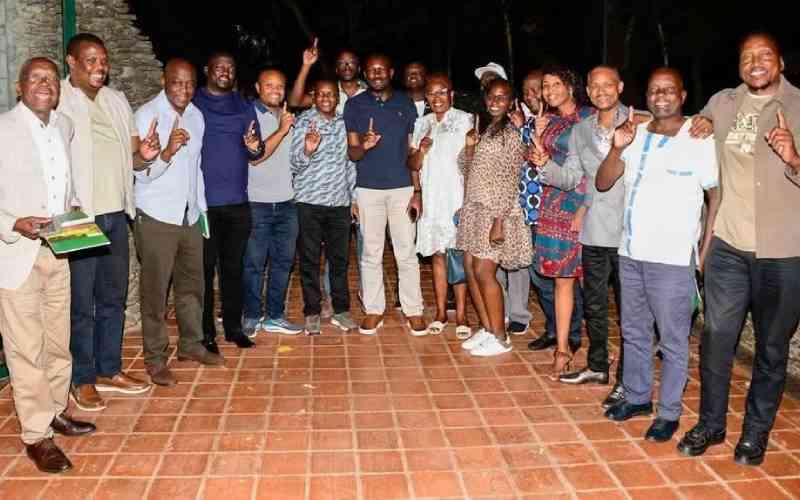
The movement’s September 26 retreat brought together key figures, including Sifuna, Embakasi East MP Babu Owino, Trans Nzoia Governor George Natembeya, Khalwale and Vihiga Senator Godfrey Osotsi.
Others were Suba South MP Caroli Omondi, former Meru Governor Kawira Mwangaza and others. The meeting subsequently announced Sifuna as the movement’s leader and presidential candidate.
According to Khalwale, the leadership question had been one of the biggest issues requiring clarity, particularly as different politicians entered the movement with their own political parties and ambitions.
“We unanimously agreed that our leader will be the Senator of Nairobi, Edwin Sifuna. There was no dissenting voice,” Khalwale said.
He explained that the retreat provided an opportunity for members to openly express their preferences before a collective position was reached.
The senator said some leaders had initially sought to promote their own parties as the political vehicle for the movement. Natembeya, he said, was pushing the United Democratic Party, while Babu Owino defended his own political party.
Khalwale added that he, too, would have advocated for his preferred party had he been given the opportunity.
Babu, according to Khalwale, initially appeared to be taking a different position after the Jacaranda rally, where he indicated he would scale down his participation in Linda Mwananchi activities.
At the retreat, however, he returned to explain his position and defend his party.
“He persuaded us why he should be allowed not to be part of the majority,” Khalwale said, adding that the movement respected his position.
Natembeya similarly maintained that he was comfortable remaining with his party. Khalwale described the outcome as a normal democratic process in which competing positions were heard before the majority position prevailed.
The disagreement over the political vehicle, he said, did not amount to a permanent split.
“Like all democratic decisions, the minority had their way but the majority had their way,” he said.
The movement consequently agreed that Sifuna would be given the mandate to negotiate the next political steps, including whether to settle on an existing party or another political vehicle.
Khalwale said the retreat also agreed that other parties could eventually join a coalition, naming parties associated with Natembeya, Babu Owino and Kawira Mwangaza among those that could be part of future negotiations.
The movement itself has since said it intends to work with like-minded parties in a broader coalition.
On Sifuna’s leadership, Khalwale said members could not simultaneously designate him as their presidential candidate while denying him authority to lead the movement.
“If you want Sifuna to be the president and refuse him to lead the movement, you cannot have both,” he said.
He added that Sifuna had been entrusted with the responsibility of identifying like-minded partners and making a final decision on the political vehicle, subject to reporting back to the movement’s committee.
Khalwale also dismissed suggestions that the movement’s internal disagreements amounted to an irreversible rift, arguing that the retreat had created space for competing interests to be accommodated while maintaining a common political direction.
The formal resolution has now placed Sifuna at the centre of Linda Mwananchi’s 2027 presidential project, with the movement preparing to unveil the party through which he will run while pursuing cooperation with other opposition formations.
Support Independent Journalism
Stand With Bold Journalism.
Stand With The Standard.
Continue
→
Pay via
Secure Payment
Kenya’s most trusted newsroom since 1902
Kakamega Senator Boni Khalwale has shed light on how the
Linda Mwananchi
movement resolved its leadership question, saying the decision to settle on Nairobi Senator Edwin Sifuna as leader and presidential candidate was reached unanimously during a principals’ retreat.
The movement’s September 26 retreat brought together key figures, including Sifuna, Embakasi East MP Babu Owino, Trans Nzoia Governor George Natembeya, Khalwale and Vihiga Senator Godfrey Osotsi.
Others were Suba South MP Caroli Omondi, former Meru Governor Kawira Mwangaza and others. The meeting subsequently announced Sifuna as the movement’s leader and presidential candidate.
According to Khalwale, the leadership question had been one of the biggest issues requiring clarity, particularly as different politicians entered the movement with their own political parties and ambitions.
“We unanimously agreed that our leader will be the Senator of Nairobi, Edwin Sifuna. There was no dissenting voice,” Khalwale said.
He explained that the retreat provided an
opportunity for members
to openly express their preferences before a collective position was reached.
The senator said some leaders had initially sought to promote their own parties as the political vehicle for the movement. Natembeya, he said, was pushing the United Democratic Party, while Babu Owino defended his own political party.
Khalwale added that he, too, would have advocated for his preferred party had he been given the opportunity.
Babu, according to Khalwale, initially appeared to be taking a different position after the Jacaranda rally, where he indicated he would scale down his participation in Linda Mwananchi activities.
At the retreat, however, he returned to explain his position and defend his party.
“He persuaded us why he should be allowed not to be part of the majority,” Khalwale said, adding that the movement respected his position.
Natembeya similarly maintained that he was comfortable remaining with his party. Khalwale described the outcome as a normal democratic process in which competing positions were heard before the majority position prevailed.
The disagreement over the political vehicle, he said, did not amount to a permanent split.
“Like all democratic decisions, the minority had their way but the majority had their way,” he said.
The movement consequently agreed that Sifuna would be given the mandate to negotiate the next political steps, including whether to settle on an existing party or another political vehicle.
Stay informed. Subscribe to our newsletter
Khalwale said the retreat also agreed that other parties could eventually join a coalition, naming parties associated with Natembeya, Babu Owino and Kawira Mwangaza among those that could be part of future negotiations.
The movement itself has since said it intends to work with like-minded parties in a broader coalition.
On Sifuna’s leadership, Khalwale said members could not simultaneously designate him as their presidential candidate while denying him authority to lead the movement.
“If you want Sifuna to be the president and refuse him to lead the movement, you cannot have both,” he said.
He added that Sifuna had been entrusted with the responsibility of identifying like-minded partners and making a final decision on the political vehicle, subject to reporting back to the movement’s committee.
Khalwale also dismissed suggestions that the movement’s internal disagreements amounted to an irreversible rift, arguing that the retreat had created space for competing interests to be accommodated while maintaining a common political direction.
The formal resolution has now placed Sifuna at the centre of Linda Mwananchi’s 2027 presidential project, with the movement preparing to unveil the party through which he will run while pursuing cooperation with other opposition formations.
By Mike Kihaki