



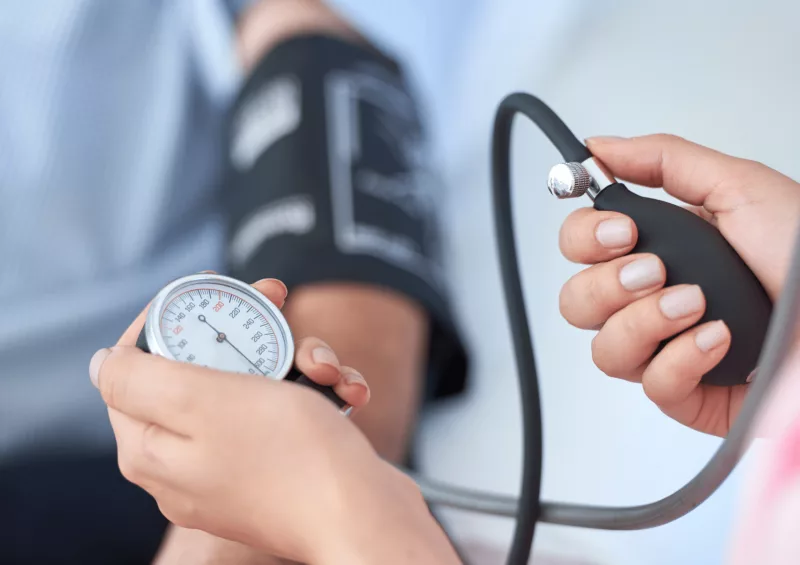
A normal blood pressure reading is usually around 120/80 mmHg.
Every
year, health experts continue to raise concern over the growing burden of high
blood pressure and its devastating consequences. Thousands of people suffer
strokes that could have been prevented with one simple action: checking and
controlling their blood pressure. Yet many people walk around with high blood
pressure without knowing it because they rarely get screened or do not feel
sick.
The
Kenya Ministry of Health estimates that nearly 7 out of 10 Kenyans with
hypertension do not know they have the condition. This highlights the urgent
need for regular blood pressure screening and public awareness.
In
Kenya, the burden of hypertension continues to rise silently. According to
findings from the 2015 STEP survey by the Ministry of Health to assess risk
factors for Non-Communicable Diseases, 28.6% of Kenyan adults have
hypertension, yet only 29.4% of these are aware of their condition. Even more
alarming, only 6.5% were taking medication, while just 12.5% had their blood
pressure adequately controlled below 140/90 mmHg. These statistics reveal a
dangerous gap in awareness, diagnosis, and treatment.
Blood
pressure is the force of blood pushing against the walls of the arteries as the
heart pumps. A normal blood pressure reading is usually around 120/80 mmHg.
When the pressure stays consistently high over time, it forces the heart and
blood vessels to work harder than they should. When these numbers remain
elevated for a long time, the risk of serious health problems increases
significantly.
One
of the most serious complications of uncontrolled hypertension is stroke, a
life-threatening condition that remains one of the leading causes of death and
long-term disability worldwide. The tragedy is that many of these strokes are
preventable through early detection, routine screening, and proper management
of blood pressure.
Hypertension
is often referred to as the “silent killer” because many people experience no
symptoms. This means many people with high blood pressure do not know they have
it. Some people only discover they have high blood pressure after experiencing
serious complications such as a stroke, heart attack, kidney failure, vision
problems, or severe headaches and dizziness. This is why routine screening is
so important, as blood pressure checks are quick, painless, and available at
most health facilities, pharmacies, workplaces, and community outreach events.
A
stroke occurs when blood flow to part of the brain is interrupted or when a
blood vessel in the brain bursts. Uncontrolled high blood pressure is the
leading cause of preventable strokes because it weakens and damages blood
vessels over time, causing narrowing and hardening of arteries, formation of
blood clots, weakening of blood vessel walls, and reduced oxygen supply to the
brain. When blood cannot reach the brain properly, brain cells begin to die
within minutes, which can lead to paralysis, difficulty speaking, memory loss,
disability, or even death. Many stroke survivors are left with long-term physical,
emotional, and financial challenges that affect not only them but also their
families.
Current
trends show an interesting shift in hypertension presentation. Traditionally
associated with older adults, hypertension is now becoming increasingly common
among younger individuals due to sedentary lifestyles, unhealthy diets, stress,
alcohol use, smoking, and rising obesity rates.
However,
the prevalence still increases significantly with age, affecting over half of
individuals between 60 and 69 years. Hypertension is also common during
pregnancy, where uncontrolled blood pressure can endanger both mother and baby.
The
good news is that most hypertension-related strokes are preventable, and
controlling blood pressure significantly lowers the risk of stroke and other
complications such as heart failure, kidney disease, and heart attack. Simple
preventive measures include reducing salt intake, eating more fruits,
vegetables, and legumes, exercising for 30–45 minutes at least five days a
week, maintaining a healthy weight, avoiding smoking, limiting alcohol intake,
managing stress, taking prescribed medication consistently, and attending
regular medical follow-up appointments. For individuals diagnosed with
hypertension, treatment is often lifelong and may involve both lifestyle
changes and medication prescribed by healthcare providers. Importantly,
antihypertensive medications are safe and highly effective when used correctly,
and patients should never stop taking their medication simply because they feel
better.
The
most effective way to detect hypertension early is through routine blood
pressure screening. Health experts recommend that adults check their blood
pressure at least once every year, and more frequently for individuals with
risk factors such as family history, diabetes, obesity, or previous elevated
readings.
Dr Hasham Mohamed is an assistant professor
at Aga Khan University Medical College and Consultant Interventional
Cardiologist at Aga Khan University Hospital, Nairobi