



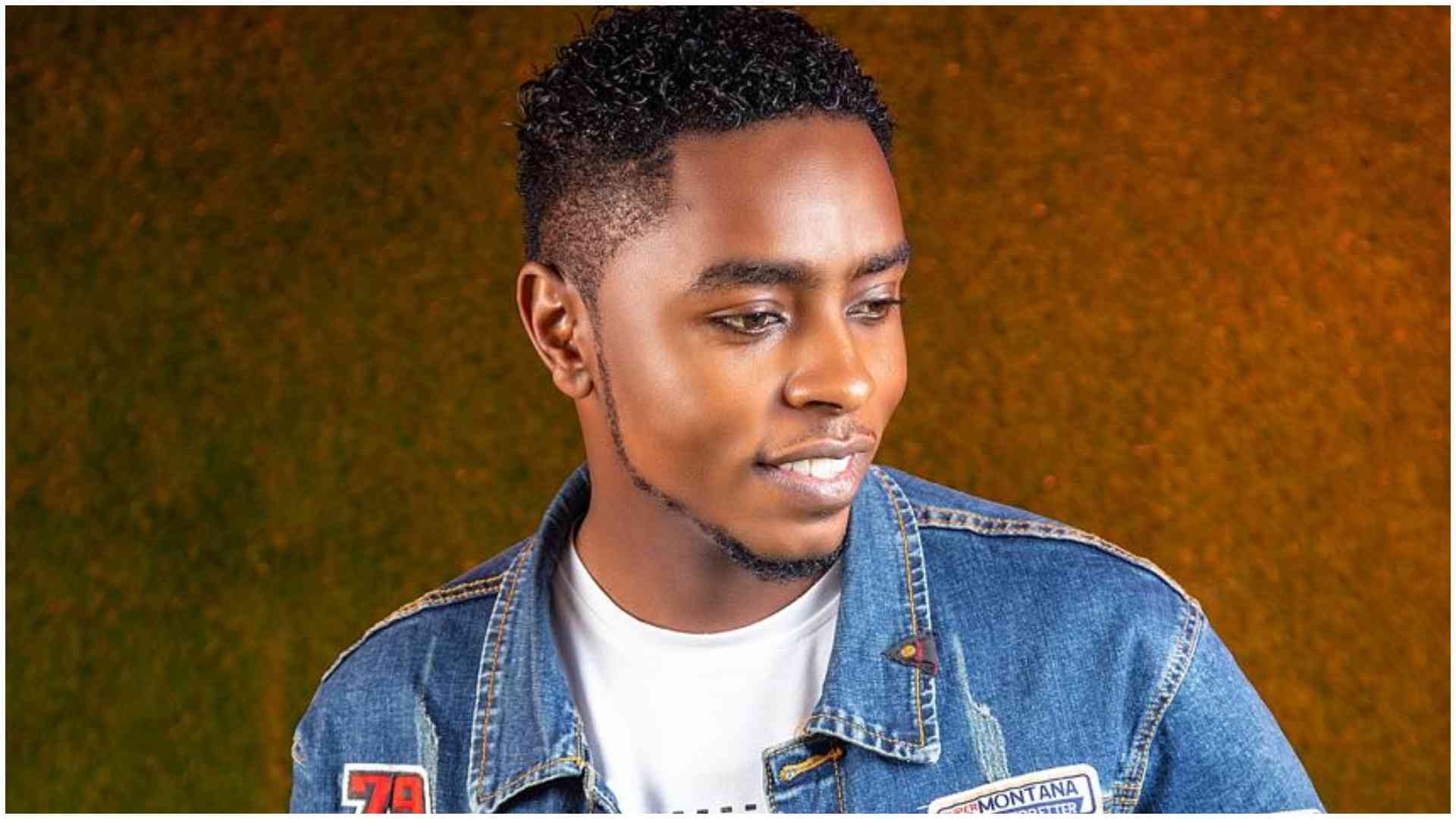
Julio, J Supercharge, believes experiencing Kenya has never been limited to what the eyes can see.
The creative artiste, who lost his sight at 10 and is now blind, is using his experience to push for a more inclusive approach to tourism through the Kenya Beyond Sight campaign.
The initiative, launched through a partnership involving J Supercharge, Denno Music, Sammy Brayo, Nancy Cosy, Chelah Richards, Delvin Obara, KCB, RUBiS Energy and the Kenya Tourism Board (KTB), seeks to encourage travellers to experience destinations through sound, touch, smell, taste and other senses.
Speaking on the campaign, KTB CEO June Chepkemei said, “ We believe that our destination must be accessible, welcoming and enjoyable to all visitors.”
For Supercharge, the idea is personal.
His childhood was shaped by curiosity and a fascination with details. Growing up in Nairobi, he enjoyed drawing and making toy cars from wires and travelling to Murang’a, where he developed an appreciation for the tea farms, local traditions and Kikuyu culture.
Losing his sight changed how he interacted with the world. As his vision deteriorated, everyday activities became difficult and he struggled to understand what his future would look like.
His experience at Thika School for the Blind became an important turning point.
Being around other students living with visual impairment helped him realise that blindness did not mean the end of his ambitions. The environment also helped him rebuild his confidence and develop a different understanding of his abilities.
“Being surrounded by people who were living full, meaningful lives despite their visual impairment helped me realise that blindness was not the end of life or the end of my dreams,” he says.

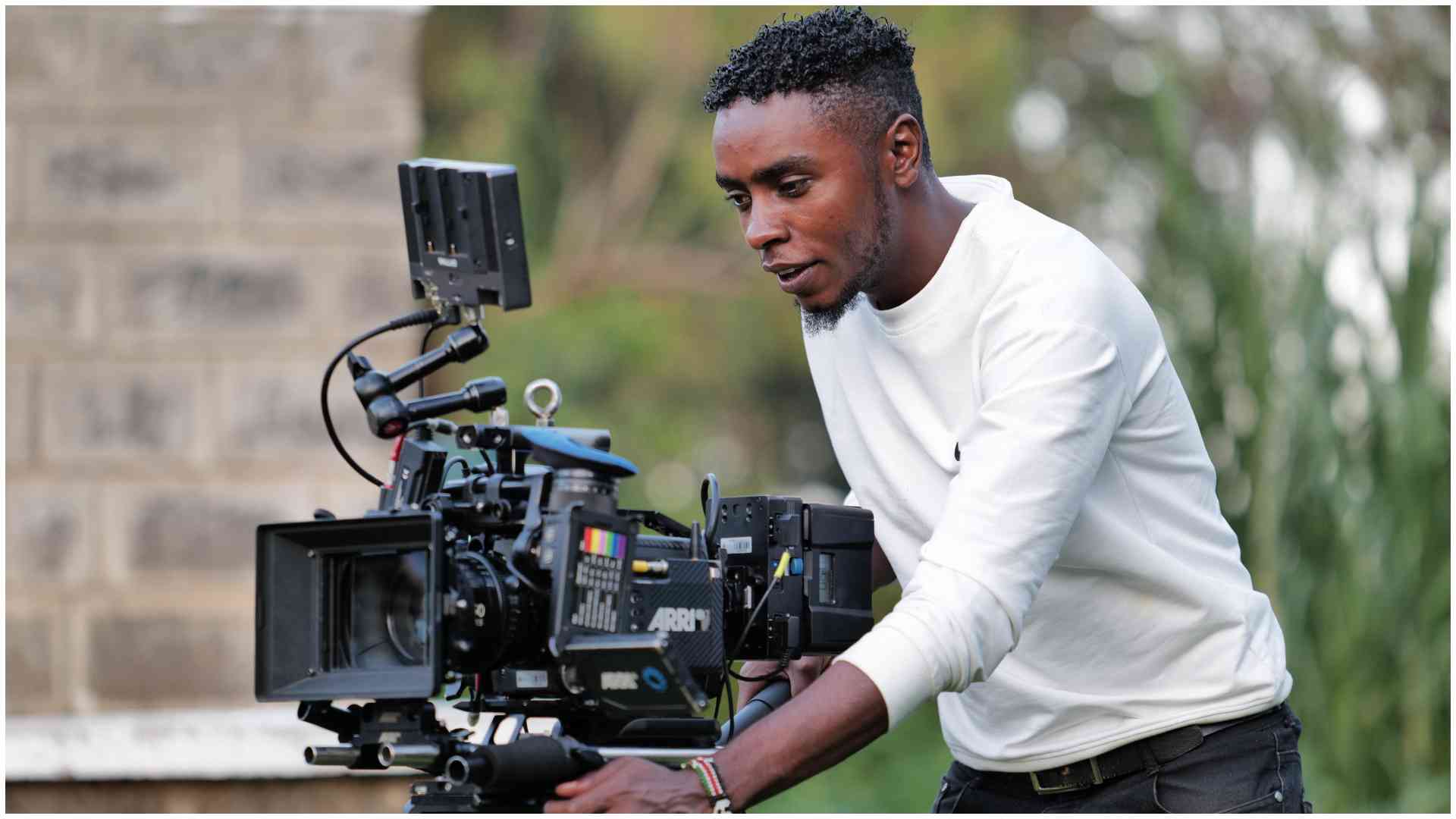
That outlook continued when he joined the University of Nairobi, where he was often the only student with a disability in a lecture hall of nearly 300 students.
Rather than allowing his circumstances to limit him, he became more determined to pursue his interests, including cars, nature and travel.
His relationship with the world has also influenced his creativity. Without relying solely on sight, he says he has learnt to pay closer attention to sound, touch, texture and smell.
His passion for cars offers an example. He can examine different parts of a vehicle through touch, using materials, textures and shapes to build an understanding of its design. “I can still ‘see’ the world, just differently,” he says.
That philosophy is at the centre of Kenya Beyond Sight, which recently took six creators through parts of Kenya’s Eastern and Coastal regions to explore destinations from a multi-sensory perspective.
Julio believes tourism should not be designed primarily around what visitors can see.
“Life is more than what you see; it is what you feel when you are fully present in the moment,” he says.
The campaign is also intended to draw attention to barriers that travellers with disabilities face.
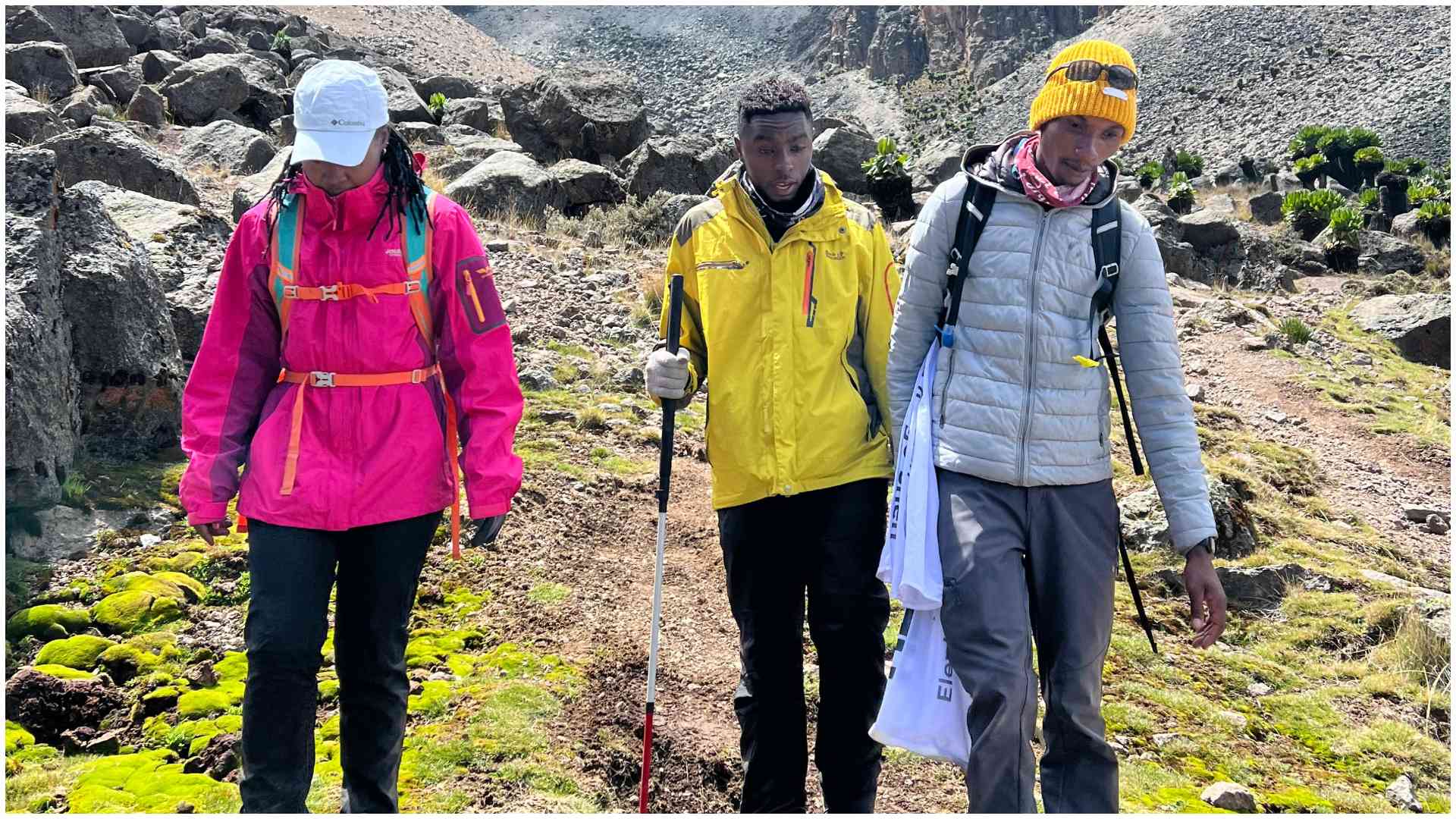
He says Kenya has made progress, but more needs to be done in transport, accommodation, tourism facilities and other services to allow people with disabilities to travel more independently.
He argues that accessibility should include infrastructure as well as the way people interact with travellers with disabilities.
“Accessibility is not only about ramps and facilities; it is also about attitudes and how people are treated,” he says.
He also believes corporations have a role to play by investing in accessible infrastructure, transport, accommodation and technology.
Speaking during the launch, KCB Group Director of Marketing and Communication Rosalind Gichuru said the initiative reflected the brand purpose, “For People. For Better”, while showcasing Kenya, promoting more inclusive tourism and encouraging fresh thinking about how the sector can be amplified.
Accessible booking platforms, audio guides, sign language support and other assistive technologies, he says, can make travel easier while reducing dependence on other people.
For Julio, the need for greater inclusion is not because people with disabilities lack interest in travel.
He says the assumption that people with disabilities do not travel because they cannot afford it overlooks another challenge: the availability of accessible and affordable travel options.
“The challenge is not a lack of interest, but the need for more affordable, accessible and inclusive travel options that enable them to explore the world with dignity and independence,” he says.
His own journey has also shaped his message to other people with disabilities who may feel that tourism and exploration are not meant for them.
“You can lose your sight, but never your vision,” he says.
Julio believes that vision extends beyond eyesight.
“There is so much more to blindness than the absence of sight,” he says. “Life is not only about what we see, but also how we feel, connect, and experience the world through all our senses.”