

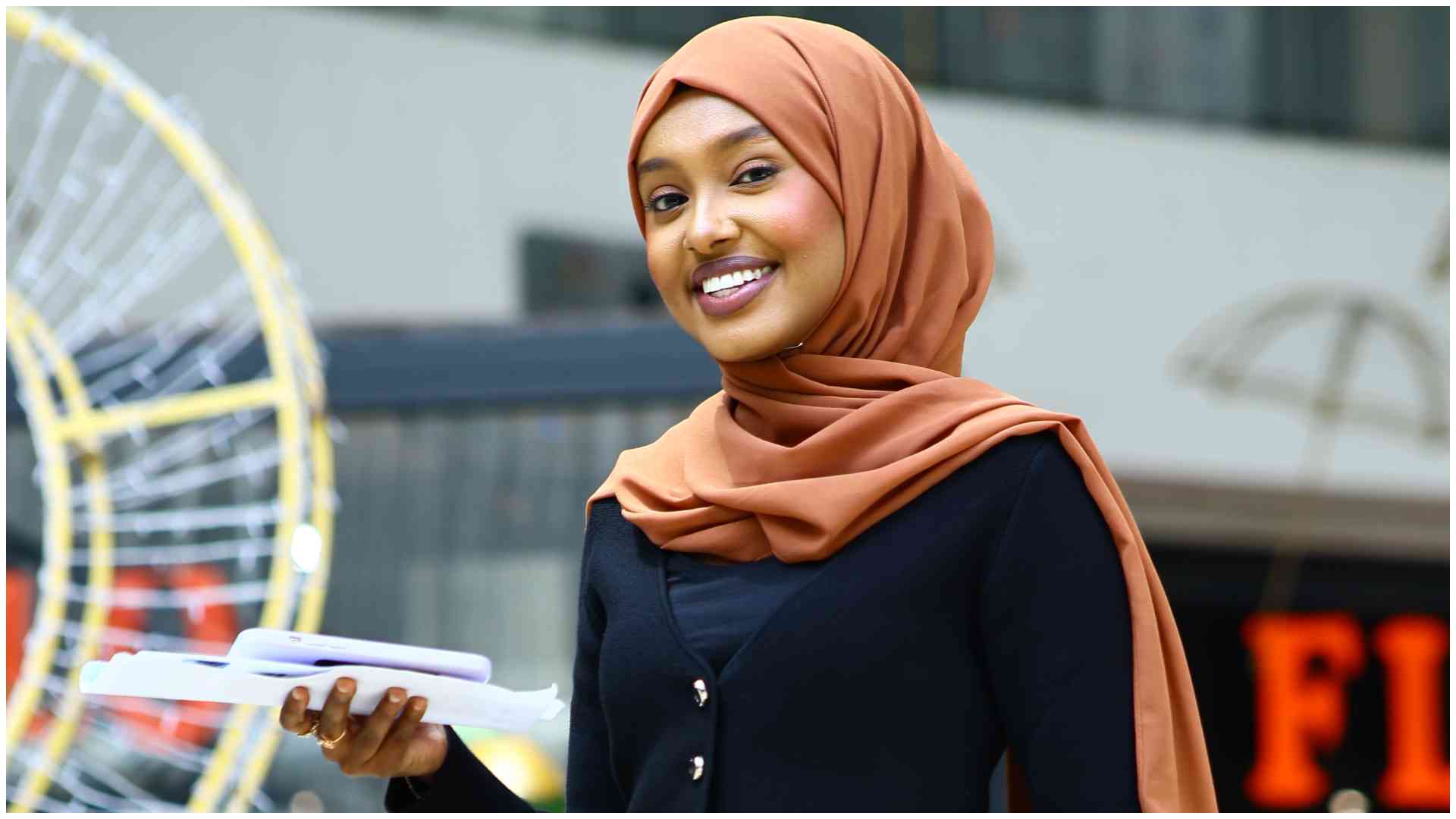
From campus journalism to winning the Komla Dumor Award, Rukia Bulle reflects on university life, her career journey, lessons, challenges and vision for African storytelling
You won the 2024 BBC News Komla Dumor Award. Tell us about that. How did you feel, and what do you think got you there?
Winning the 2024 BBC News Komla Dumor Award was one of the highlights of my career. I felt incredibly happy and proud, but also grateful, because it felt like recognition of years of work leading up to that moment. I don’t think there was one particular story or achievement that got me there. It was the body of work I had built over the years. At the time, I was doing feature and human-interest stories that went beyond the headlines, allowing me to spend time with people, understand their experiences and tell stories that hopefully made audiences care. I think consistency, curiosity, hunger and a willingness to keep pushing myself as a journalist played a big part. The award also came as I was thinking more seriously about telling African stories to a global audience. Spending three months at the BBC in London was an incredible experience that expanded my idea of what was possible in my career.
Tell us where and what did you study in University/College?
I studied at USIU-Africa in Nairobi, where I pursued a Bachelor of Arts in Journalism, double-majoring in Broadcast Journalism and Public Relations and Advertising.
Favourite/ worst unit while on campus?
The practical ones… Photography 101 and Film, or the PR classes where we got to build campaigns and put what we were learning into practice. My least favourite was a print class in my first year where we had to put together an entire magazine. I remember thinking, how are we supposed to know how to do this in first year?
Best and least favourite lecture?
My favourite lectures were those connected to what was actually happening in the world. I loved when a lecturer brought up a controversial issue or something happening in the news and opened it up for discussion.
How was campus life generally?
I really enjoyed campus. It became even more interesting when I joined the taekwondo team. I trained about five days a week, competed nationally and, more importantly, found a community there. It became a huge part of my university experience. Then Covid-19 came and unfortunately put a stop to all of that.
How did you make money while on campus?
I had a small side business designing dresses for formal events. I’ve always loved fashion, so I started my own brand as its founder and creative director. My best friend modelled for me and a friend was the photographer, so it became a whole production! (Laughs.) I had to stop when I started working full-time as a journalist.
How was dating on campus?
I didn’t date much. As boring as it may sound, I always had my eyes on the prize. I knew what I wanted to do with my career.
What do you think of campus relationships?
I think dating at that age is completely normal. You’re a young adult figuring yourself out, and it’s also when you start learning what kind of people are out there romantically.
Where did you hang out on weekends?
At the cinema! I was a huge movie fan, and still am. You would always find me at Garden City, then finding somewhere to eat with whatever money I had at the time.
What did you do with your free time?
A lot went into building my fashion business. I also read a lot.
Classmates you will never forget?
My journalism class was actually really cool. I was lucky to have a great bunch of people around me, and that definitely made the experience more enjoyable.
We knew you as an Education reporter, but you later left. Tell us about that move.
I think the simplest answer is that I grew. Education was an important part of my journalism career, and I told stories I’m proud of, but I eventually wanted to explore more issues. My career had also expanded beyond traditional reporting into television, print, digital, content creation, event hosting and communications consultancy. I wanted the freedom to work across platforms and build a career beyond one beat, newsroom or medium.
What key lessons have you learnt in media that has helped you pivot in the space?
Make it count. If you get an opportunity to write a story, make it a really good one. If you are presenting, bring something to the screen, energy, personality and charisma. Media is incredibly competitive, and I’ve learnt that sometimes the difference is simply putting in that extra effort. Keep learning, evolving and finding ways to be better.
What challenges have you faced so far and what changes would you like effected?
Being a young woman in the industry comes with challenges, and being a Muslim woman who wears the hijab adds another layer. People sometimes make assumptions about what you can do before seeing your work. More broadly, the media industry needs to catch up with changing audiences. As people move away from traditional television and radio, we need greater investment in digital journalism, new formats and understanding how younger audiences consume information.
How was the process of applying for the Komla Dumor Award, any tips?
My biggest advice is to submit work that genuinely showcases your strongest skills as a journalist. Choose stories that show what you can do and what makes your journalism different. Sometimes we look at opportunities and convince ourselves that we’re not ready or that someone else is more qualified. Apply anyway.
What advice would you give young women joining media?
It can be tough, but talent, street smarts and a healthy amount of delusion will take you far. Learn your craft, be curious, advocate for yourself and never let anyone make you feel you don’t belong. Build a personal brand that travels with you — jobs and platforms change, but your name, work and audience can endure..
How is content creation going?
It has given me freedom and opened opportunities I wouldn’t have imagined. I’m still a journalist, freelancing with BBC Focus on Africa, while also working in communications consultancy, advising brands on media and digital strategy, and hosting events. I’m also proud of my YouTube channel, where I bring together my experience in journalism, storytelling, videography and social media.
What next for Rukia what should the people expect from you?
Are you subscribed to my YouTube channel? (Laughs) Come along on the journey, it’s fun over there.
One last thing you would tell your campus self?
Take it easy, not on your studies, though! Keep working hard, but stop worrying so much about having everything figured out. It all works out.