

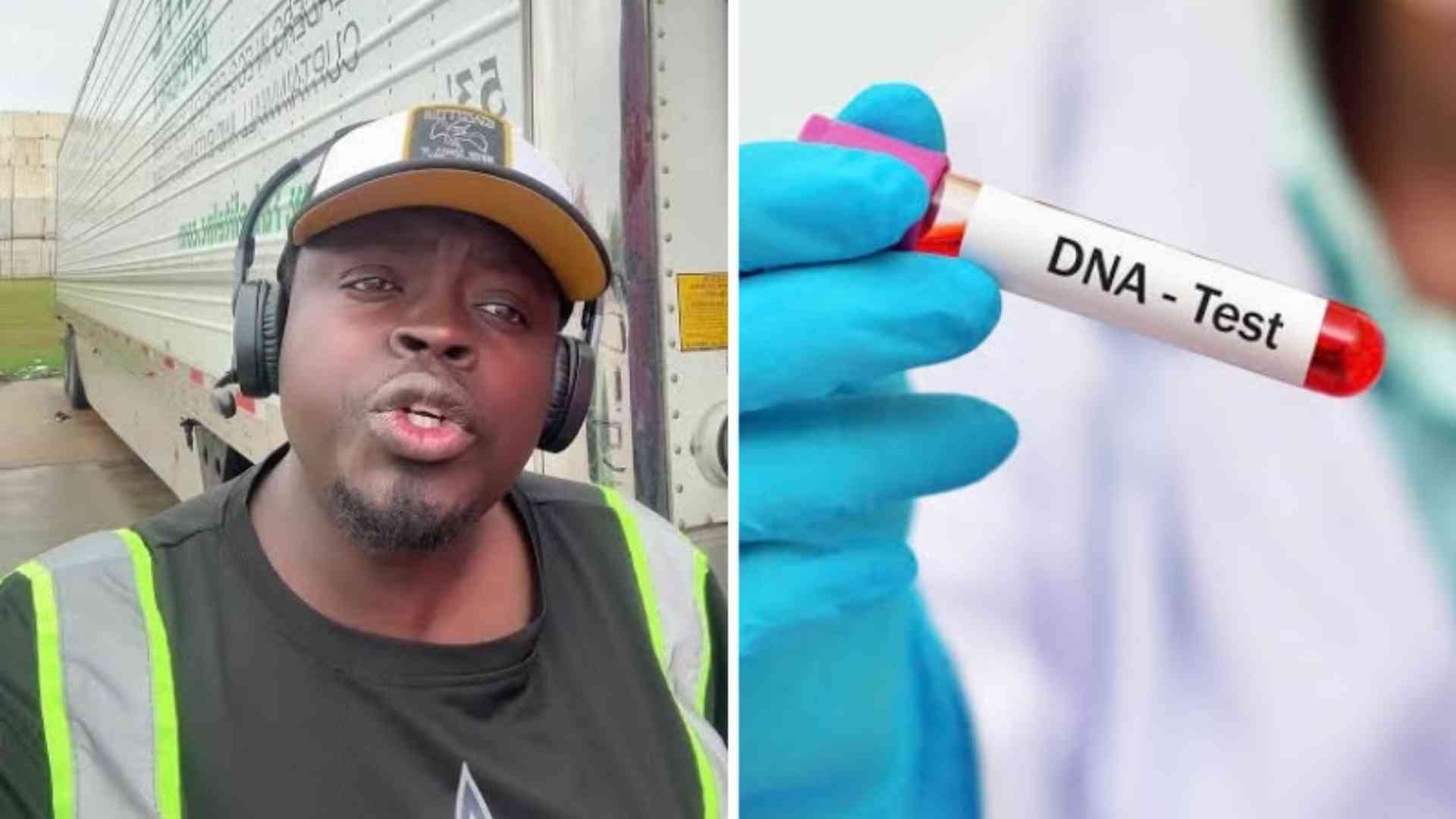
US-based Kenyan digital content creator Malcom has urged DNA testing institutions in Kenya to lower their fees to about Sh5,000, arguing that cheaper tests would make it easier for more people to establish biological relationships.
In a video shared on his social media platforms, Malcom said DNA testing institutions should consider tapping into the growing demand for paternity tests by making the service more affordable and accessible.
“Hizo institutions zenye zinafanya DNA, DNA ni very expensive. Ju sasa ni biashara si mfanye DNA ikue kitu kama 5k,” he said.
Malcom argued that lowering the cost could attract more customers and ultimately generate higher revenues for testing institutions through increased testing volumes.
“Mtamake so much profit, than saa hizi venye DNA ni 30k,” he said.
He said more people would be willing to undergo DNA testing if the cost was reduced, noting that paying Sh30,000 can be a significant financial burden, particularly when the results confirm a relationship that was already believed to exist.
According to Malcom, making DNA testing more affordable could also encourage people to seek answers earlier instead of allowing questions about paternity to persist for years.
He further called on DNA testing institutions to consider what he described as the Chinese approach, which he said focuses on making testing available to a larger number of people rather than relying on higher charges from fewer clients.
Malcom also proposed establishing more testing centres across the country to make DNA testing easier to access.
“Alafu hizo laboratories mueke ingine kama Kayole, alafu ingine Kibich. Place mwenye mtu anaingia tu kimangoto kama ametoka,” he said.
His comments come amid renewed public debate on paternity testing following content creator and club host Ciggie Johnson’s revelation that a DNA test showed he was not the biological father of the 12-year-old girl he had raised since birth.
Ciggie said he had supported the girl for years, including paying her school fees and rent, before discovering the DNA results.
The revelation sparked widespread online discussions about fatherhood, biological ties and the importance of establishing paternity.
Ciggie also called for DNA testing institutions to adopt a model that would make testing more widely available and affordable.
His case has attracted reactions from several public figures, including Terence Creative, who urged him to continue caring for the girl despite the DNA results.
However, Dr Ofweneke has emphasised the importance of knowing one’s biological parentage, arguing that parenting should be based on willingness rather than coercion.