



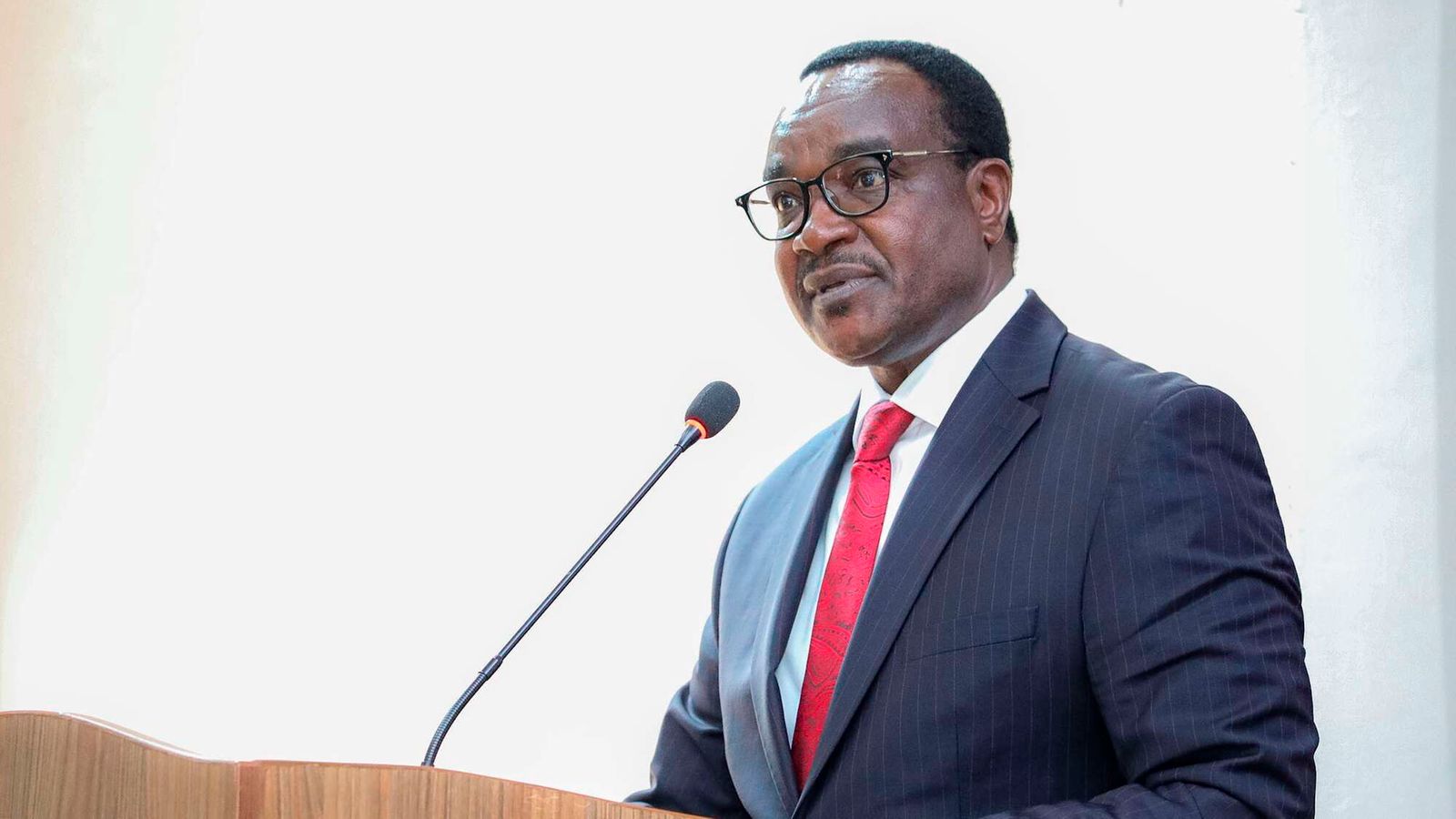


Kenya has been made the fourth co-chair of the School Meals Coalition, joining Brazil, Finland and France in the leadership of the body that comprises 110 governments worldwide.
The announcement was made on Wednesday during the opening session of the Third Ministerial Session of the global School Meals Coalition held at the World Food Programme (WFP) headquarters in Rome, Italy.
“We take this responsibility with a strong sense of commitment and with confidence in the lesson that the Coalition has already manifested, that when governments come together around a shared ambition for children, meaningful change is possible. For Kenya, assuming this leadership role is also a continuation of a journey we have been proud to help shape,” said Education Cabinet Secretary Julius Ogamba in his address.
The coalition was launched in 2021 to reposition school meals as strategic investments in education and long-term national development.
“It (the co-chair role) means a lot. It means that Kenya will now represent the African voice, a recognition of Kenya’s leadership in school meals. It also means that Kenya will have great visibility across the globe in its efforts on school meals, leading to more partnership and investment opportunities,” Mr Ogamba told Nation.
Also Read: Inside MPs’ plan to rescue school feeding programme
As a member of the coalition, Kenya has made a commitment to have universal coverage of schoolchildren under school meals programme by 2030. According to the Ministry of Education, there are currently 2.8 million schoolchildren under the programme.
However, budgetary constraints for the school feeding programme have left many deserving learners out of the programme.
The school programme requires Sh7.8 billion annually to feed learners throughout the academic calendar but received Sh3 billion only in the 2025/2026 financial year, leaving a funding deficit of Sh4.8 billion. The same amount has been allocated in the current financial year.
“There was not enough money to meet the target for all the learners and the school calendar days,” Basic Education Principal Secretary John Ololtuaa recently told the National Assembly Education Committee while presenting the ministry’s performance report.
A 2023 performance audit found that school attendance improves significantly on days when meals are provided, and drops when they are not.
For many children in marginalised regions, the meal offered at school is often the only reliable source of nutrition.
Also Read: Over 2 million learners at risk of dropping out as school feeding taps dry
However, chronic underfunding has weakened the programme’s effectiveness with the Office of the Auditor-General Kenya establishing that over a five-year period, only Sh7.7 billion was approved against a request of Sh17.32 billion.
“Too many children are still to be reached, and too many countries continue to face significant financing and implementation challenges in providing nutritious meals,” Mr Ogamba said.
“We are also working on a pioneering debt-for-food conversion with WFP as a pathway to increasing investment in school meals over the coming years. This would redirect savings from debt servicing towards long-term investment in food security and resilience,” the CS added.
On Tuesday, Mr Ogamba held a meeting with the Assistant Executive Director for Operations of the WFP, Matthew Hollingworth, at their headquarters in Rome.
Follow ourWhatsApp channel for breaking news updates and more stories like this.