

Photographer and creative director Zavai explores the voices that influence our lives, both those we hear within ourselves and those that come from the world around us.
Her photographic series Voices examines how these voices influence our perceptions, beliefs, emotions and actions.
The project explores inner voices such as self-talk and inner criticism, outer voices such as the media, social norms and peer pressure, and voices of strength and resilience, looking at how people experience and respond to the voices around them.
Zavai started her artistic journey with colour and painting in Accra, where she worked between 2019 and 2020. From 2020 to 2022, while in the process of finding herself, she developed a strong desire to express herself through the camera.
Photography became another way for her to communicate with herself, alongside painting and drawing.
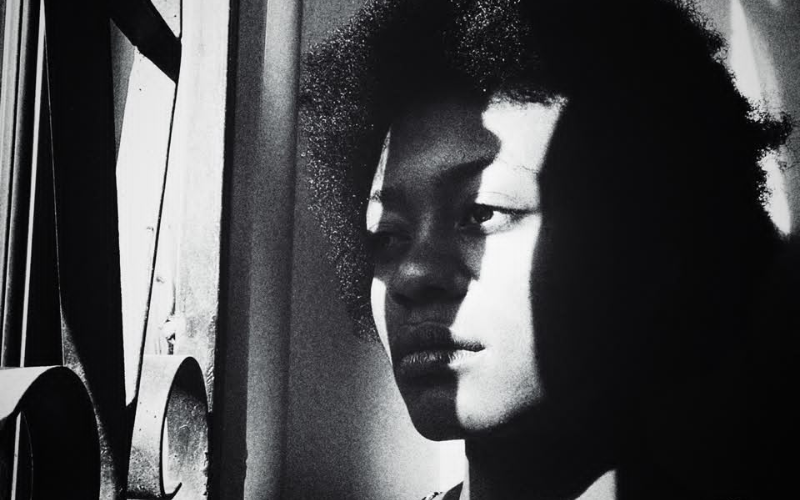
“What interests me about documentary photography is the essence of everyday life. I’m interested in its purity and naturalness, as well as its fleeting nature,” she says.
When photographing people, Zavai considers how she can mirror their emotions and whether what they see will match what they feel. When photographing places, she pays attention to their energy, which she describes as a combination of the elements that make them — people, buildings, relationships, animals, trees and more.
Her approach to photographic storytelling is centred on emotions. She started Voices after wanting to visually express the different voices people hear and how they affect them. Through the series, she captures the feelings associated with these voices, exploring emotions such as courage and love.
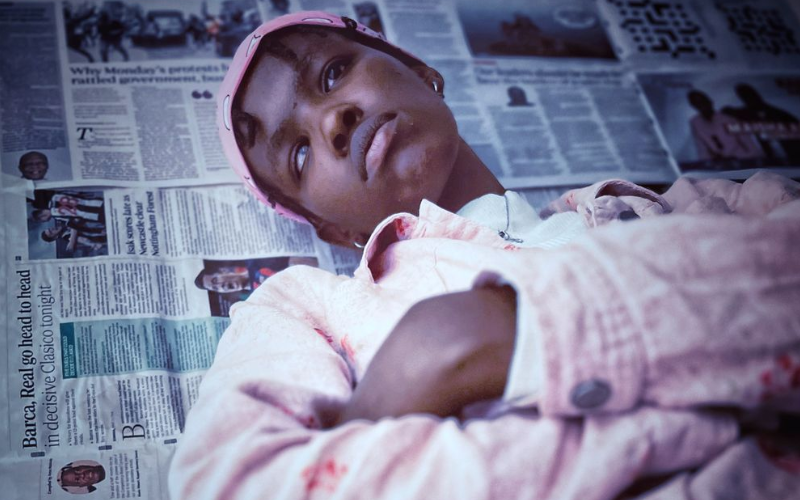
The project includes images exploring different manifestations of these voices. In Listening to the Voices Written to Us, a woman holds two books to her ears. Another photograph, Voices in Our Exasperations, Our Longings and Thoughts, shows a woman lying on newspapers. The works are at Uchi Gallery housed by Bold Art.
In Zavai’s view, literary documentary photography is about capturing everyday life. She believes that photographs can sometimes speak louder than words, though words accompanying an image can provide context and make its story less open to interpretation.
“Human emotions are important in my work. They are really abstract; they come through my photography because I am an abstract artist. It’s like feeling through the eyes,” she says.
Colour, light and texture form what she calls the golden combination of her expression. Colour gives life, light makes things easier to see, while texture makes photography feel real to touch through the eyes and heart.
Her process is spontaneous, especially when an image catches her attention. Having a specific subject, however, helps her develop a shot list to guide what she wants to capture.
When photographing people, she builds relationships by being herself. Depending on the story, she sees herself as an observer, storyteller or participant.
Her approach to photography is connected to her other forms of visual art. She describes the creative process as essentially the same, though photography offers greater accessibility in terms of its tools.
“Emotions are important to my practice. I visualise emotions. I want people to feel love in all its manifestations when they experience my photographs,” she says.
Her work as a creative director has taught her to break down the creative process, making it feel less abstract. Through documenting people’s stories, she says that she has learned that people are human and have little control over the things unfolding in their environment.