

Audio By Vocalize
In politics, a leader’s most lethal weapon is their own tongue, rarely an opposing strategy. Power provides an incredible platform, but when coupled with unbridled anger, it becomes a trap.
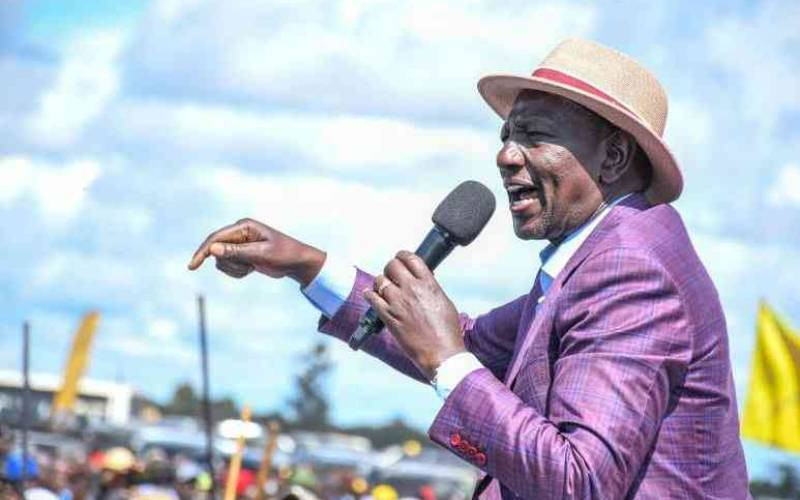
Lately, President William Ruto appears to have stepped into this self-made snare. His unchecked invective, directed furiously at critics and rivals, defies basic political pragmatism. Instead of exuding authority, these angry outbursts betray an ingrained vulnerability, which effectively makes Dr Ruto his own worst enemy.
The downside of this unchecked rhetoric lies in how it promotes his opponents. Ungoverned anger strips political discourse of substance, reducing national policy to petty squabbles. For the Opposition, these aggressive tirades are a strategic windfall; they require little effort to counter. Opponents only need to hold back and let Ruto alienate the electorate on his own, turning every sharp word into political capital for the other side.
But even more formidable than rivals are the digital youth. Armed with smartphone applications and an astonishing speed of satire, the younger generation transforms presidential fury into endless digital fodder. A single hot-tempered moment is dissected within minutes into viral memes, remixes, and satirical soundbites. By lashing out, Ruto inadvertently hands Kenya’s creative youth the raw materials to undermine his dignity and turn state rhetoric into a national punchline.
History is replete with powerful leaders who lost public favour after failing to weigh the impact of their angry words. King Charles I of England, convinced of his absolute divine right, repeatedly addressed Parliament with haughty contempt and fierce hostility. His adamant refusal to compromise and aggressive denunciation of opponents hardened public resolve against him, fuelling the English Civil War, ultimately leading to his execution by uniting a fractured opposition into a deadly force.
Similarly, Kaiser Wilhelm II of Germany, known for his erratic temperament, routinely made aggressive public statements that alienated international allies and enraged his constituents, isolating his regime and severely weakening Germany’s geopolitical standing. Richard Nixon’s intense paranoia and bitter tirades against the media and political opponents created an atmosphere of hostility that destroyed his moral authority, making his political downfall during Watergate swift and absolute once public trust evaporated.
In this self-destructive cycle, psychologists speak about ‘displacement and reaction formation’, where unaddressed internal anxieties manifest as outward hostility. Modern psychology highlights the ‘amygdala hijack’, a state where emotional reactivity completely overrides rational decision-making. When a leader acts under emotional hijack, they lose the ability to evaluate long-term consequences. This triggers the ‘boomerang effect’, where aggressive attempts to force persuasion or control instead push the audience in the opposite direction.
Literature and ancient texts reflect this reality. In classic literature, Shakespeare often dramatised the ruin of leaders undone by unchecked rage and hubris. In ‘Macbeth’, the titular king’s increasing paranoia and aggressive outbursts alienate his loyal lords, driving them into the arms of the invading forces. Macbeth’s inability to tame his hostility seals his isolation and demise.
Similarly, the Bible contains warnings regarding the destructive power of an unrestrained tongue. Proverbs notes that a fool gives full vent to his spirit, while a wise man quietly holds it back, and that a soft answer turns away wrath while a harsh word stirs up anger. Ecclesiastes adds that words from the mouth of the wise are gracious, but the lips of a fool consume him because the beginning of his words is foolishness and the end of his talk is wicked madness.
After King Solomon died, his son Rehoboam took over and ignored the counsel of elders to be kind. Instead, he listened to his friends who urged him to act macho. Ten of the 12 tribes walked away, and the kingdom never recovered. His rival, Jeroboam, merely stood by and let the king ruin himself. Ruto should read that chapter, lest he writes the next one.
Leaders who surrender to anger surrender control. By continuing down a path of hostility and harsh rhetoric, Ruto risks alienating the very public that entrusted him with power. Until restraint replaces invective, his greatest political foe will remain the person staring back at him in the mirror.
Support Independent Journalism
Stand With Bold Journalism.
Stand With The Standard.
Continue
→
Pay via
Secure Payment
Kenya’s most trusted newsroom since 1902
In politics, a leader’s most lethal weapon is their own tongue, rarely an opposing strategy. Power provides an incredible platform, but when coupled with unbridled anger, it becomes a trap.
Lately, President William Ruto appears to have stepped into this self-made snare. His unchecked invective, directed furiously at critics and rivals, defies basic political pragmatism. Instead of exuding authority, these angry outbursts betray an ingrained vulnerability, which effectively makes Dr Ruto his own worst enemy.
The downside of this unchecked rhetoric lies in how it promotes his opponents. Ungoverned anger strips political discourse of substance, reducing national policy to petty squabbles. For the Opposition, these aggressive tirades are a strategic windfall; they require little effort to counter. Opponents only need to hold back and let Ruto alienate the electorate on his own, turning every sharp word into political capital for the other side.
But even more formidable than rivals are the digital youth. Armed with smartphone applications and an astonishing speed of satire, the younger generation transforms presidential fury into endless digital fodder. A single hot-tempered moment is dissected within minutes into viral memes, remixes, and satirical soundbites. By lashing out, Ruto inadvertently hands Kenya’s creative youth the raw materials to undermine his dignity and turn state rhetoric into a national punchline.
History is replete with powerful leaders who lost public favour after failing to weigh the impact of their angry words. King Charles I of England, convinced of his absolute divine right, repeatedly addressed Parliament with haughty contempt and fierce hostility. His adamant refusal to compromise and aggressive denunciation of opponents hardened public resolve against him, fuelling the English Civil War, ultimately leading to his execution by uniting a fractured opposition into a deadly force.
Similarly, Kaiser Wilhelm II of Germany, known for his erratic temperament, routinely made aggressive public statements that alienated international allies and enraged his constituents, isolating his regime and severely weakening Germany’s geopolitical standing. Richard Nixon’s intense paranoia and bitter tirades against the media and political opponents created an atmosphere of hostility that destroyed his moral authority, making his political downfall during Watergate swift and absolute once public trust evaporated.
In this self-destructive cycle, psychologists speak about ‘displacement and reaction formation’, where unaddressed internal anxieties manifest as outward hostility. Modern psychology highlights the ‘amygdala hijack’, a state where emotional reactivity completely overrides rational decision-making. When a leader acts under emotional hijack, they lose the ability to evaluate long-term consequences. This triggers the ‘boomerang effect’, where aggressive attempts to force persuasion or control instead push the audience in the opposite direction.
Literature and ancient texts reflect this reality. In classic literature, Shakespeare often dramatised the ruin of leaders undone by unchecked rage and hubris. In ‘Macbeth’, the titular king’s increasing paranoia and aggressive outbursts alienate his loyal lords, driving them into the arms of the invading forces. Macbeth’s inability to tame his hostility seals his isolation and demise.
Similarly, the Bible contains warnings regarding the destructive power of an unrestrained tongue. Proverbs notes that a fool gives full vent to his spirit, while a wise man quietly holds it back, and that a soft answer turns away wrath while a harsh word stirs up anger. Ecclesiastes adds that words from the mouth of the wise are gracious, but the lips of a fool consume him because the beginning of his words is foolishness and the end of his talk is wicked madness.
After King Solomon died, his son Rehoboam took over and ignored the counsel of elders to be kind. Instead, he listened to his friends who urged him to act macho. Ten of the 12 tribes walked away, and the kingdom never recovered. His rival, Jeroboam, merely stood by and let the king ruin himself. Ruto should read that chapter, lest he writes the next one.
Leaders who surrender to anger surrender control. By continuing down a path of hostility and harsh rhetoric, Ruto risks alienating the very public that entrusted him with power. Until restraint replaces invective, his greatest political foe will remain the person staring back at him in the mirror.
By Alexander Chagema