

Audio By Vocalize
Safina Deputy Party Leader Willis Otieno has challenged opposition leaders to offer economic solutions beyond removing President William Ruto from office.
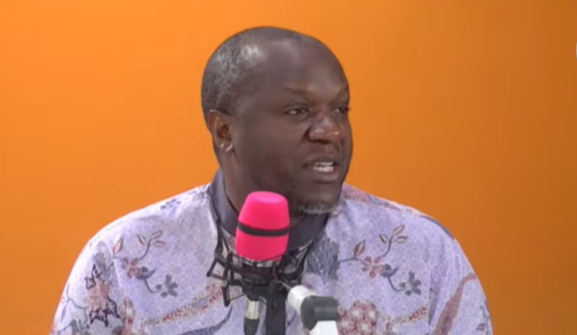
Otieno spoke on Wednesday, October 21, during an interview on The Situation Room on Spice FM, a day after Mashujaa Day celebrations where Ruto announced proposed tax relief measures and 50,000 additional internship opportunities.
He argued that removing Ruto would not automatically resolve Kenya’s economic challenges, including public debt, unemployment, poverty and the cost of education and healthcare.
“William Ruto will go, but the debt will remain. The problems that we are facing will still be here even after Ruto is gone,” warned Otieno.
He urged opposition leaders to explain how they would address these challenges if elected in 2027, arguing that campaigns built around slogans rather than policies would leave voters without clear alternatives.
“Some of my opposition colleagues are not doing us any service. We cannot campaign on sloganeering alone. William Ruto may serve only one term but we also need to know what comes next,” observed Otieno.
Otieno criticised Ruto’s Mashujaa Day address, arguing that national celebrations should focus on the contributions of Kenyans who fought for independence and those who have helped shape the country’s development.
He also questioned the credibility of the government’s latest promises, saying leaders should demonstrate progress on existing commitments before announcing new programmes.
During the celebrations on Tuesday, October 20, Ruto proposed tax relief for workers earning up to Sh32,333 a month, the removal of stamp duty on land transactions worth Sh1 million or less and the scrapping of import duty on mobile phones.
He also announced plans to add 50,000 places to the National Internship Programme from January 2027.
The proposals require further legislative or administrative action before implementation.
Otieno argued that the government should address existing employment disputes, including the terms of service for Junior Secondary School teachers and the dispute with university lecturers over the implementation of a collective bargaining agreement.
“When it comes to implementation, you don’t honour it. I mean, you even disregard a court process,” he said, referring to the lecturers’ dispute.
University lecturers began a nationwide strike on October 2 over the implementation of their 2025–2029 collective bargaining agreement.
Education Cabinet Secretary Julius Migos Ogamba said on October 6 that negotiations were continuing and urged lecturers to return to class.
Otieno said the government should prioritise education, healthcare and the cost of living, arguing that many households struggle to pay school fees and medical bills.
“When a Kenyan is sick, it is between you, your WhatsApp and your fundraisers for you to get healthcare,” noted Otieno.
On the economy, Otieno proposed allocating more public funds to education and healthcare, reducing value-added tax and cutting domestic government borrowing to free up capital for businesses.
He proposed allocating Sh400 billion to education and Sh200 billion to healthcare, saying public resources should help reduce the financial burden on households.
He also proposed reducing value-added tax from 16 per cent to five per cent, arguing that lower taxes would leave households with more disposable income and encourage manufacturers to expand production and hire more workers.
Kenya’s public debt remains a major fiscal challenge. The National Treasury’s 2026 Medium-Term Debt Management Strategy put public and publicly guaranteed debt at Sh11.81 trillion at the end of June 2025, equivalent to 67.8 per cent of gross domestic product.
The Treasury assessed the country as facing a high risk of debt distress.
Otieno called for a review of public debt he alleges was borrowed without following Kenyan law, including parliamentary approval requirements.
He argued that authorities should establish whether the loans complied with the law before deciding how to handle their repayment.
Any decision to withhold payments on loans deemed illegal would require a legal assessment of the borrowing and its compliance with applicable laws.
Otieno also challenged the media to scrutinise political leaders’ policy proposals across the political divide, rather than focusing mainly on campaign slogans and succession politics ahead of the 2027 General Election.
He urged opposition leaders to explain their positions on debt, taxation, healthcare and education so voters could compare their economic plans before deciding whom to support.
“If you don’t have an agenda, you are not ready for administration,” Otieno said.
Support Independent Journalism
Stand With Bold Journalism.
Stand With The Standard.
Continue
→
Pay via
Secure Payment
Kenya’s most trusted newsroom since 1902
Safina Deputy Party Leader Willis Otieno has challenged opposition leaders to offer economic solutions beyond removing President William Ruto from office.
Otieno spoke on Wednesday, October 21, during an interview on The Situation Room on Spice FM, a day after
Mashujaa Day celebrations
where Ruto announced proposed tax relief measures and 50,000 additional internship opportunities.
He argued that removing Ruto would not automatically resolve Kenya’s economic challenges, including public debt, unemployment, poverty and the cost of education and healthcare.
“William Ruto will go, but the debt will remain. The problems that we are facing will still be here even after Ruto is gone,” warned Otieno.
He urged opposition leaders to explain how they would address these challenges if elected in 2027, arguing that campaigns built around slogans rather than policies would leave voters without clear alternatives.
“Some of my opposition colleagues are not doing us any service. We cannot campaign on sloganeering alone. William Ruto may serve only one term but we also need to know what comes next,” observed Otieno.
Otieno criticised Ruto’s Mashujaa Day address, arguing that national celebrations should focus on the contributions of Kenyans who fought for independence and those who have helped shape the country’s development.
He also questioned the credibility of the government’s latest promises, saying leaders should demonstrate progress on existing commitments before announcing new programmes.
During the celebrations on Tuesday, October 20, Ruto proposed tax relief for workers earning up to Sh32,333 a month, the removal of stamp duty on land transactions worth Sh1 million or less and the scrapping of import duty on mobile phones.
He also announced plans to add 50,000 places to the National Internship Programme from January 2027.
The proposals require further legislative or administrative action before implementation.
Otieno argued that the government should address existing employment disputes, including the terms of service for Junior Secondary School teachers and the dispute with university lecturers over the implementation of a collective bargaining agreement.
“When it comes to implementation, you don’t honour it. I mean, you even disregard a court process,” he said, referring to the lecturers’ dispute.
University lecturers began a nationwide strike on October 2 over the implementation of their 2025–2029 collective bargaining agreement.
Stay informed. Subscribe to our newsletter
Education Cabinet Secretary Julius Migos Ogamba said on October 6 that negotiations were continuing and urged lecturers to return to class.
Otieno said the government should prioritise education, healthcare and the cost of living, arguing that many households struggle to pay school fees and medical bills.
“When a Kenyan is sick, it is between you, your WhatsApp and your fundraisers for you to get healthcare,” noted Otieno.
On the economy, Otieno proposed allocating more public funds to education and healthcare, reducing value-added tax and cutting domestic government borrowing to free up capital for businesses.
He proposed allocating Sh400 billion to education and Sh200 billion to healthcare, saying public resources should help reduce the financial burden on households.
He also proposed reducing value-added tax from 16 per cent to five per cent, arguing that lower taxes would leave households with more disposable income and encourage manufacturers to expand production and hire more workers.
Kenya’s public debt remains a major fiscal challenge. The National Treasury’s 2026 Medium-Term Debt Management Strategy put public and publicly guaranteed debt at Sh11.81 trillion at the end of June 2025, equivalent to 67.8 per cent of gross domestic product.
The Treasury assessed the country as facing a high risk of debt distress.
Otieno called for a review of public debt he alleges was borrowed without following Kenyan law, including parliamentary approval requirements.
He argued that authorities should establish whether the loans complied with the law before deciding how to handle their repayment.
Any decision to withhold payments on loans deemed illegal would require a legal assessment of the borrowing and its compliance with applicable laws.
Otieno also challenged the media to scrutinise political leaders’ policy proposals across the political divide, rather than focusing mainly on campaign slogans and succession politics ahead of the 2027 General Election.
He urged opposition leaders to explain their positions on debt, taxation, healthcare and education so voters could compare their economic plans before deciding whom to support.
“If you don’t have an agenda, you are not ready for administration,” Otieno said.
By David Njaaga