



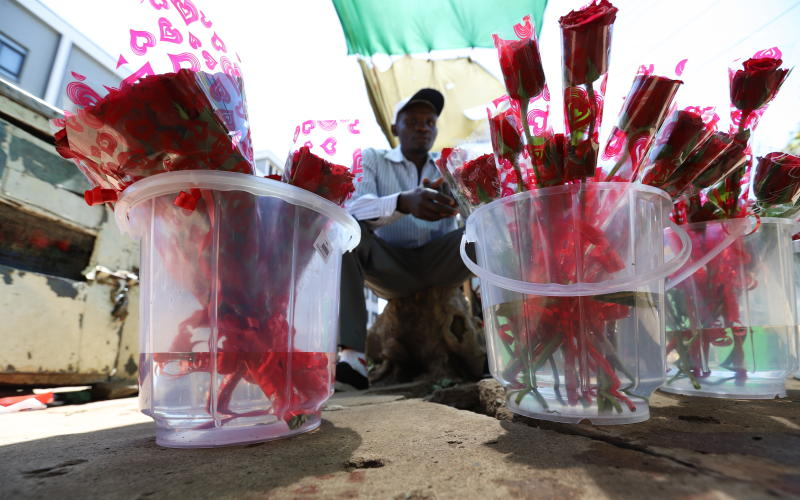
The sudden influx of red everywhere, floral arrangements, and romantic reels can trigger a shift from contentment to a sudden sense of FOMO.
Even if you get fulfilment from your career and social life, the saturated imagery of the holiday can create a temporary psychological void. Let’s talk about it.
This emotional downturn, often called post-Valentine’s depression, is actually a documented reaction to the intense societal emphasis placed on romantic status.
While the ‘holiday’ itself lasts for only 24 hours, thank goodness, the psychological impact can linger and even worsen as we approach D-day, especially for single women who are frequently reminded that they are single and that the clock is ticking.
Recognising the signs of this is the first step toward reclaiming your emotional stability and mental wellness.
You will notice that feelings of jealousy begin to manifest as a heightened sensitivity to the romantic successes of others, leading to irritability or a desire to withdraw from social interactions altogether.
You may find yourself doom-scrolling through the highlight reels of friends and influencers, a habit that reinforces a distorted perception that everyone else possesses a fairytale love that you lack or feel incapable of getting.
This unhappiness is then accompanied by self-critical thoughts, where you start viewing being single as a personal failure rather than a stage in life. These symptoms, if left unmanaged, can lead to a pervasive sense of loneliness that may interfere with daily productivity and even your sleep patterns.
Dr Aditi Nerurkar, a Harvard-trained physician and expert in stress, notes that the brain processes social exclusion in the same regions that process physical pain.
The comparison trap fuelled by holiday-themed social media content acts as a trigger for this pain, making the feeling of being “left out” a biological reality rather than just a fleeting thought.
And for women who value and desire relationships and such connections, the absence of a romantic partner during this highly visible holiday can feel like a public rejection of their worth.
It therefore becomes crucial to understand that these feelings are a physiological response to social pressure, and you have no reason to feel shame because of them.
Dealing with these negative emotions healthily requires a deliberate shift in perspective.
First and foremost, it is necessary to realise that the imagery presented on Valentine’s Day is a curated, commercialised version of reality that hardly, if ever, shows the complexities of long-term relationships.
To get through it, learn how to reframe the situation and focus on other connections. Use that time to strengthen non-romantic bonds with friends and family, which provide the social belonging the brain craves without the pressure of romantic expectations.
You also need to reduce social media consumption during this period and focus on your personal goals.