

Audio By Vocalize
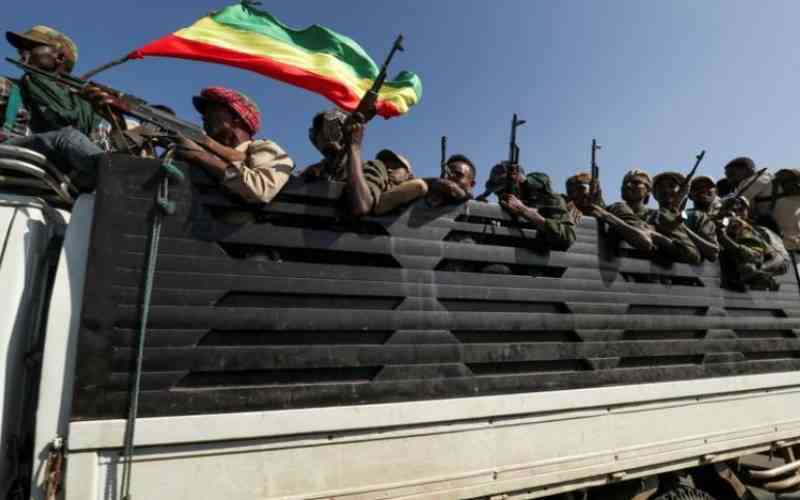
Ethiopia is standing on the precipice of a devastating catastrophe again. Less than four years after the 2022 Pretoria Agreement ended a brutal civil war that claimed an estimated 600,000 lives, full-scale combat has returned to the Horn of Africa.
Heavy fighting has broken out again in Tigray, expanding rapidly into neighbouring Afar and Amhara. Federal drone and artillery strikes have been met with a massive offensive by Tigrayan forces.
The belligerents- Prime Minister Abiy Ahmed’s federal forces and the TPLF-led Tigrayan military- are locked in a dangerous, shifting matrix of conflict. Tigrayan forces operate in tandem with an anti-federal alliance including the Amhara Fano militia and the Oromo Liberation Army.
At the core of this reignited violence is the failure to fully implement the 2022 Pretoria deal. The persistent occupation of Western Tigray by Amhara forces, the continued presence of Eritrean troops in border districts, and a total lack of accountability for past atrocities have left the root causes of the original civil war unresolved.
The human toll of the renewed fighting is mounting rapidly. Ethiopia’s military claims to have killed about 270 Tigrayan fighters in North Wollo. Healthcare providers report overwhelmed facilities: Doctors Without Borders (MSF) witnessed hospital admissions in Korem and Alamata more than double from 180 to over 420 in just 48 hours.
In Afar, an estimated 150,000 civilians have been displaced. Making matters worse, telecommunications and internet services across Tigray have been cut off once more, plunging millions into information blackouts that hamper vital aid operations.
This conflict can no longer be viewed as merely internal. Regional diplomacy is rapidly collapsing. Ethiopia and Eritrea have severed diplomatic ties, with Addis Ababa closing its embassy in Asmara and expelling diplomats following accusations of Eritrean support for insurgent factions.
Diplomatic expulsions between Ethiopia and Egypt have further heightened regional anxieties. Tensions over access to the Red Sea port of Assab, the planned redeployment of 3,000 Ethiopian troops from Somalia to reinforce domestic fronts, risk destabilising the entire Horn of Africa.
The international community must act before the region reaches a point of no return. First, all fighting parties must agree to an immediate, unconditional ceasefire.
Second, the African Union (AU) and IGAD must immediately convene emergency peace talks. As the host nation of the AU, Ethiopia cannot be allowed to burn while regional bodies remain passive. The AU Peace and Security Council must assert direct leadership to revive and enforce the foundational principles of the Pretoria Agreement.
Third, the federal government must restore communications and guarantee unimpeded humanitarian access to all affected populations in Tigray, Amhara, and Afar.
Finally, external powers must stop fueling this war. Neighbouring nations and external actors pumping arms or rhetoric into Ethiopia are playing with fire. The only path forward is dialogue, non-military compromise, and a genuine commitment to peace.
Support Independent Journalism
Stand With Bold Journalism.
Stand With The Standard.
Continue
→
Pay via
Secure Payment
Kenya’s most trusted newsroom since 1902
Ethiopia is standing on the precipice of a devastating catastrophe again. Less than four years after the 2022 Pretoria Agreement ended a brutal civil war that claimed an estimated 600,000 lives, full-scale combat has returned to the Horn of Africa.
Heavy fighting has broken out again in Tigray, expanding rapidly into neighbouring Afar and Amhara. Federal drone and artillery strikes have been met with a massive offensive by Tigrayan forces.
The belligerents- Prime Minister Abiy Ahmed’s federal forces and the TPLF-led Tigrayan military- are locked in a dangerous, shifting matrix of conflict. Tigrayan forces operate in tandem with an anti-federal alliance including the Amhara Fano militia and the Oromo Liberation Army.
At the core of this reignited violence is the failure to fully implement the 2022 Pretoria deal. The persistent occupation of Western Tigray by Amhara forces, the continued presence of Eritrean troops in border districts, and a total lack of accountability for past atrocities have left the root causes of the original civil war unresolved.
The human toll of the renewed fighting is mounting rapidly. Ethiopia’s military claims to have killed about 270 Tigrayan fighters in North Wollo. Healthcare providers report overwhelmed facilities: Doctors Without Borders (MSF) witnessed hospital admissions in Korem and Alamata more than double from 180 to over 420 in just 48 hours.
In Afar, an estimated 150,000 civilians have been displaced. Making matters worse, telecommunications and internet services across Tigray have been cut off once more, plunging millions into information blackouts that hamper vital aid operations.
This conflict can no longer be viewed as merely internal. Regional diplomacy is rapidly collapsing. Ethiopia and Eritrea have severed diplomatic ties, with Addis Ababa closing its embassy in Asmara and expelling diplomats following accusations of Eritrean support for insurgent factions.
Diplomatic expulsions between Ethiopia and Egypt have further heightened regional anxieties. Tensions over access to the Red Sea port of Assab, the planned redeployment of 3,000 Ethiopian troops from Somalia to reinforce domestic fronts, risk destabilising the entire Horn of Africa.
The international community must act before the region reaches a point of no return. First, all fighting parties must agree to an immediate, unconditional ceasefire.
Second, the African Union (AU) and IGAD must immediately convene emergency peace talks. As the host nation of the AU, Ethiopia cannot be allowed to burn while regional bodies remain passive. The AU Peace and Security Council must assert direct leadership to revive and enforce the foundational principles of the Pretoria Agreement.
Third, the federal government must restore communications and guarantee unimpeded humanitarian access to all affected populations in Tigray, Amhara, and Afar.
Finally, external powers must stop fueling this war. Neighbouring nations and external actors pumping arms or rhetoric into Ethiopia are playing with fire. The only path forward is dialogue, non-military compromise, and a genuine commitment to peace.
By Editorial