

Audio By Vocalize
The Sakharov Prize for the International Criminal Court comes as the institution endures the toughest period in its history, reeling from a damaging sex scandal, haemorrhaging members, and bracing for potentially crippling US sanctions.
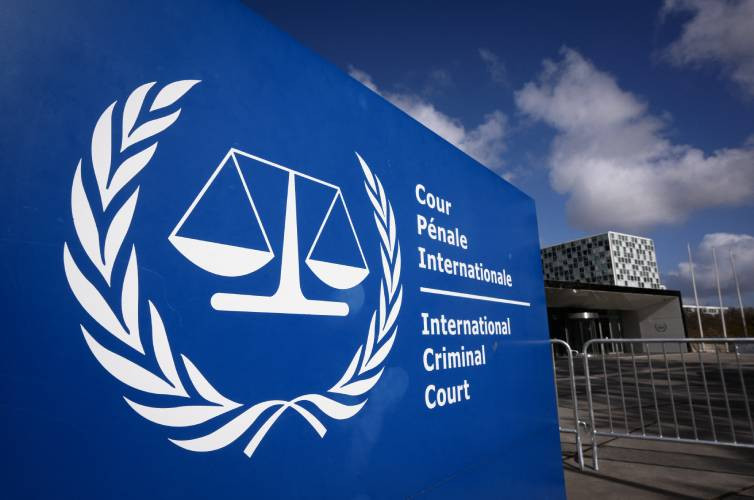
The ICC, housed in a shiny glass building on the outskirts of The Hague, was set up in 2002 to try people accused of the world’s worst crimes — war crimes, crimes against humanity and genocide.
Its founding treaty, the Rome Statute, says the court acts for “millions of children, women and men, (who) have been victims of unimaginable atrocities that deeply shock the conscience of humanity”.
Seen as a successor to the Nuremberg Nazi war crimes tribunal, the ICC operates as a “court of last resort”, taking on only cases that national courts are unwilling or unable to judge.
Trials also feature a representative of alleged victims, who often look to the ICC as a way of delivering justice they have been unable to achieve at home.
But since its founding, the ICC has been dogged by a poor conviction rate and criticism that it only prosecutes minor figures from Africa.
In nearly a quarter of a century, the ICC has convicted 15 people — all African — five of whom were found guilty of witness tampering rather than core crimes.
It has suffered high-profile failures, with former Ivory Coast president Laurent Gbagbo cleared, former DR Congo vice-president Jean-Pierre Bemba acquitted on appeal and charges against Kenyan President Uhuru Kenyatta dropped.
While the court has 125 countries as members, major powers such as the United States, China, India, Israel and Russia have never signed the Rome Statute.
Washington has always been among the court’s harshest critics, even passing the so-called “Hague Invasion Act” to enable military action to recover any US service personnel held by the ICC.
But the administration of President Donald Trump has ramped up pressure on the court, vowing to dismantle the institution “brick-by-brick” and sanctioning several of its top officials.
– ‘Evil group of people’ –
Branding the court a “rogue institution” staffed by an “evil group of people”, Trump has been angered by the ICC’s boldest-ever move: issuing arrest warrants for Israel’s Prime Minister Benjamin Netanyahu.
Netanyahu stands accused of war crimes and crimes against humanity including starvation as a method of warfare and murder. He furiously denies the allegations.
Washington slapped sanctions on the court earlier this month, vowing to cripple its operations, after previously targeting selected officials and just hours after the Nobel Peace Prize went to a former ICC judge.
Such sanctions could cause the court major difficulties with banking, paying its 900 staff, travelling for investigations, and especially technology where it is heavily reliant on Microsoft.
The US is also running a diplomatic campaign pressuring countries to withdraw from the court — a call already heeded by Nauru, Chad, Venezuela, Burkina Faso, Mali, and Niger, all of which have signalled they will leave the ICC.
Already under pressure, the ICC took a damaging hit to its reputation with the dismissal earlier this year of its most visible official, chief prosecutor Karim Khan, over sexual misconduct allegations.
His alleged victim, a Malaysian lawyer who worked as Khan’s direct assistant, described “an escalation of attempts” that culminated in physical assault.
Khan denies misconduct and has vowed to fight his dismissal “through all available legal mechanisms”.
As the year draws to a close, the ICC is sure to be in the spotlight again when arguably its biggest-ever case comes to trial.
Former Philippines president Rodrigo Duterte will become the first Asian ex-head of state to stand in the ICC dock, facing charges of crimes against humanity.
ICC prosecutors say he was responsible for tens of thousands of murders during his so-called “war on drugs.”
Court officials say Duterte’s arrest — unthinkable only a few years ago — offers hope that other fugitives will finally face justice.
“At the end of the day, we all agree that no one should be able to evade justice. That’s what we symbolise here,” acting chief prosecutor Mame Mandiaye Niang told AFP in a recent interview.
“I think our current difficulties shouldn’t make us give up our ideals. If we did, what would we have left?” he added.
Support Independent Journalism
Stand With Bold Journalism.
Stand With The Standard.
Continue
→
Pay via
Secure Payment
Kenya’s most trusted newsroom since 1902
The Sakharov Prize for the International Criminal Court comes as the institution endures the toughest period in its history, reeling from a damaging sex scandal, haemorrhaging members, and bracing for potentially crippling US sanctions.
The ICC, housed in a shiny glass building on the outskirts of The Hague, was set up in 2002 to try people accused of the world’s worst crimes — war crimes, crimes against humanity and genocide.
Its founding treaty, the Rome Statute, says the court acts for “millions of children, women and men, (who) have been victims of unimaginable atrocities that deeply shock the conscience of humanity”.
Seen as a successor to the Nuremberg Nazi war crimes tribunal, the ICC operates as a “court of last resort”, taking on only cases that national courts are unwilling or unable to judge.
Trials also feature a representative of alleged victims, who often look to the ICC as a way of delivering justice they have been unable to achieve at home.
But since its founding, the ICC has been dogged by a poor conviction rate and criticism that it only prosecutes minor figures from Africa.
In nearly a quarter of a century, the ICC has convicted 15 people — all African — five of whom were found guilty of witness tampering rather than core crimes.
It has suffered high-profile failures, with former Ivory Coast president Laurent Gbagbo cleared, former DR Congo vice-president Jean-Pierre Bemba acquitted on appeal and charges against Kenyan President Uhuru Kenyatta dropped.
While the court has 125 countries as members, major powers such as the United States, China, India, Israel and Russia have never signed the Rome Statute.
Washington has always been among the court’s harshest critics, even passing the so-called “Hague Invasion Act” to enable military action to recover any US service personnel held by the ICC.
But the administration of President Donald Trump has ramped up pressure on the court, vowing to dismantle the institution “brick-by-brick” and sanctioning several of its top officials.
Branding the court a “rogue institution” staffed by an “evil group of people”, Trump has been angered by the ICC’s boldest-ever move: issuing arrest warrants for Israel’s Prime Minister Benjamin Netanyahu.
Netanyahu stands accused of war crimes and crimes against humanity including starvation as a method of warfare and murder. He furiously denies the allegations.
Stay informed. Subscribe to our newsletter
Washington slapped sanctions on the court earlier this month, vowing to cripple its operations, after previously targeting selected officials and just hours after the Nobel Peace Prize went to a former ICC judge.
Such sanctions could cause the court major difficulties with banking, paying its 900 staff, travelling for investigations, and especially technology where it is heavily reliant on Microsoft.
The US is also running a diplomatic campaign pressuring countries to withdraw from the court — a call already heeded by Nauru, Chad, Venezuela, Burkina Faso, Mali, and Niger, all of which have signalled they will leave the ICC.
Already under pressure, the ICC took a damaging hit to its reputation with the dismissal earlier this year of its most visible official, chief prosecutor Karim Khan, over sexual misconduct allegations.
His alleged victim, a Malaysian lawyer who worked as Khan’s direct assistant, described “an escalation of attempts” that culminated in physical assault.
Khan denies misconduct and has vowed to fight his dismissal “through all available legal mechanisms”.
As the year draws to a close, the ICC is sure to be in the spotlight again when arguably its biggest-ever case comes to trial.
Former Philippines president Rodrigo Duterte will become the first Asian ex-head of state to stand in the ICC dock, facing charges of crimes against humanity.
ICC prosecutors say he was responsible for tens of thousands of murders during his so-called “war on drugs.”
Court officials say Duterte’s arrest — unthinkable only a few years ago — offers hope that other fugitives will finally face justice.
“At the end of the day, we all agree that no one should be able to evade justice. That’s what we symbolise here,” acting chief prosecutor Mame Mandiaye Niang told AFP in a recent interview.
“I think our current difficulties shouldn’t make us give up our ideals. If we did, what would we have left?” he added.
By AFP